
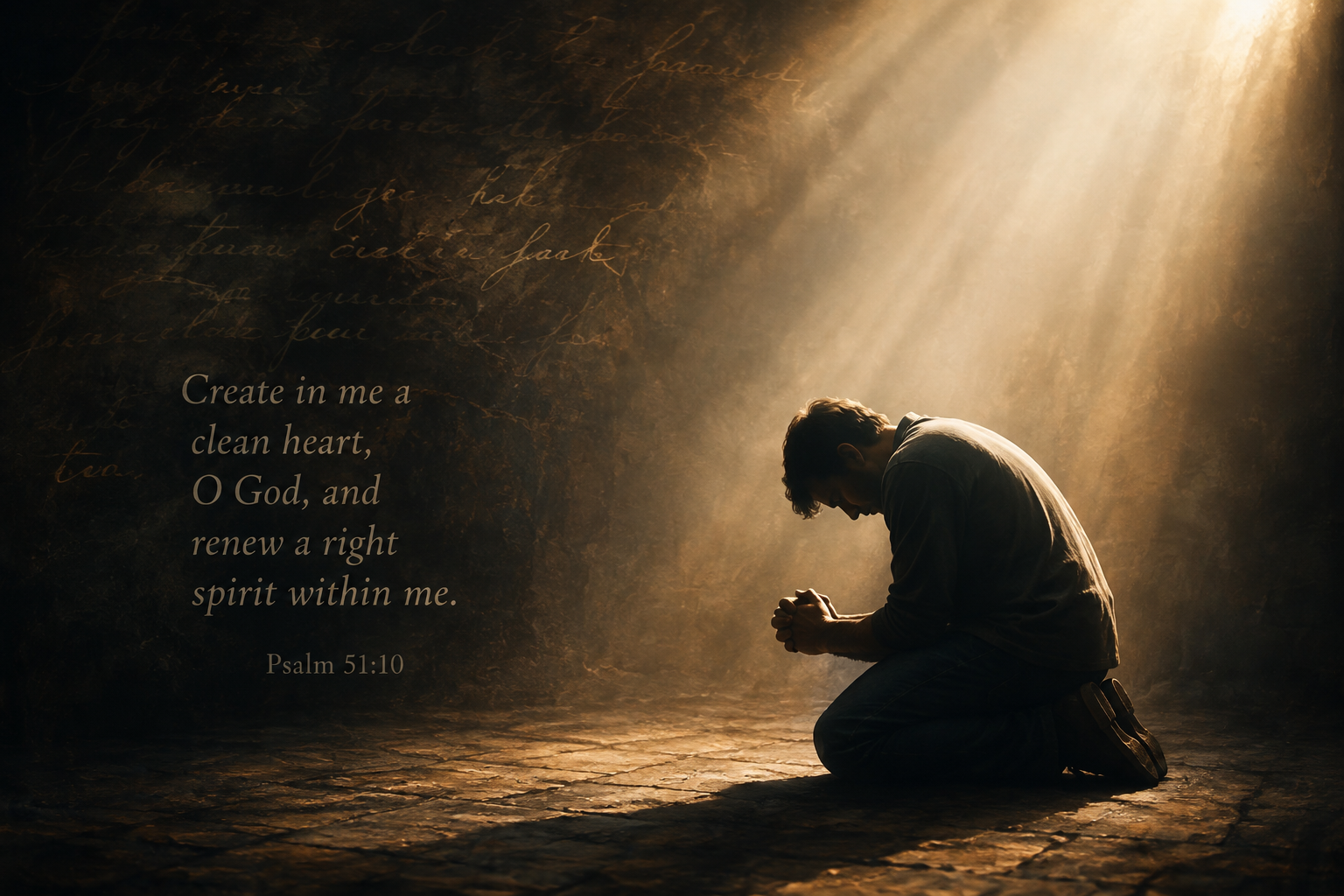
“Or do you despise the riches of His kindness, restraint, and patience, not recognizing that God’s kindness is intended to lead you to repentance?” — Romans 2:4
Over the past couple of years, God has used some of the darkest seasons of my life to teach me some of the deepest truths about Himself. I’ve written about suffering, forgiveness, love, bitterness, divorce, and learning to trust God when life doesn’t make sense. Through all of it, one lesson has become abundantly clear: God has been far more interested in changing my heart than changing my circumstances.
There have been many times when I prayed for God to change other people. I wanted Him to fix situations, soften hearts, right wrongs, and bring justice. Those aren’t necessarily bad prayers, but somewhere along the way, God began asking me a different question: “What am I trying to change in you?” That question changed everything. The more I searched the Scriptures, the more I realized that one of God’s greatest acts of love isn’t simply forgiving our sin, it’s giving us the grace to recognize it in the first place. Left to ourselves, we naturally justify our actions, defend our motives, and blame everyone else. We become experts at pointing fingers while remaining blind to the condition of our own hearts. Yet the Holy Spirit lovingly opens our eyes, convicts us of our sin, and invites us to turn back to Him. That invitation is called repentance, and far from being something to fear, I’ve come to see it as one of the greatest gifts God has ever given His children. It isn’t a gift because it makes us feel guilty; it’s a gift because it brings us home.
When most people hear the word repentance, they think of guilt, shame, failure, or condemnation, but the Bible paints a very different picture. Repentance is far more than simply saying, “I’m sorry.” Many people regret the consequences of their actions without ever experiencing a genuine change of heart. The Apostle Paul explains the difference in 2 Corinthians 7:10, writing, “For godly grief produces a repentance that leads to salvation without regret, but worldly grief produces death.” Worldly sorrow says, “I wish I hadn’t gotten caught.” Godly sorrow says, “Lord, I have sinned against You.” Repentance begins when we stop making excuses, stop shifting blame, and honestly agree with God about our sin.
The biblical idea of repentance means far more than changing our opinion; it is a change of mind that results in a change of direction. Imagine driving down the highway only to discover you’ve been traveling the wrong way. You don’t continue driving simply because you’ve already invested fifty miles in the wrong direction. You turn around. That’s repentance. We stop walking away from God and begin walking toward Him. It is no surprise that Jesus opened His public ministry with the words, “Repent, because the kingdom of heaven has come near” (Matthew 4:17). His invitation wasn’t “Try harder.” It was “Turn around.”
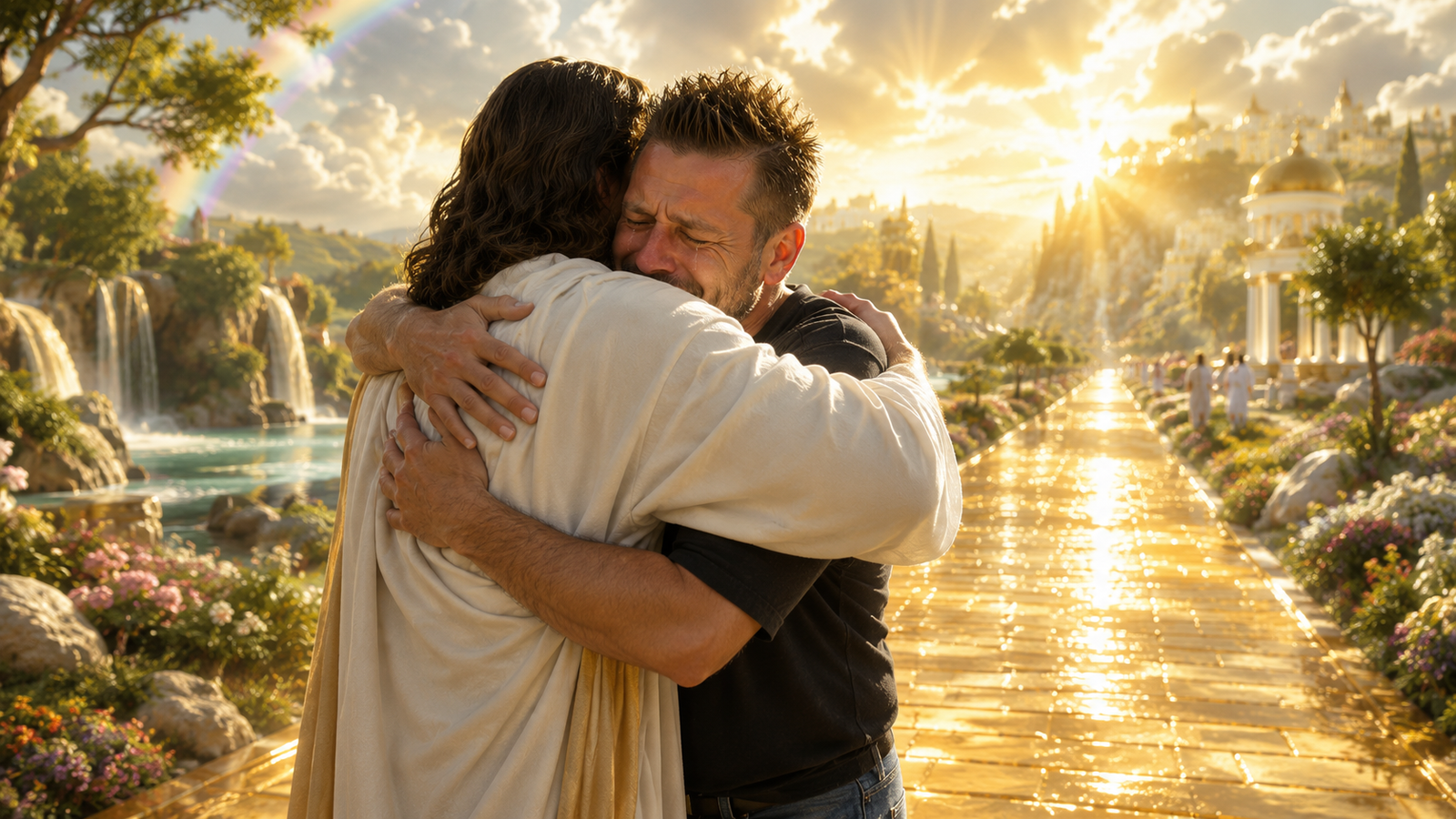
One of the most beautiful truths about repentance is that it is motivated by God’s kindness, not merely His judgment. Many people picture God standing over them with folded arms, waiting to punish every mistake. Paul reminds us that “God’s kindness is intended to lead you to repentance” (Romans 2:4). God certainly hates sin, but He loves sinners enough to pursue them. Like the father in Jesus’ parable of the prodigal son, He patiently waits, watching for the moment His child turns toward home. When that happens, He doesn’t stand at a distance with condemnation. He runs to embrace the repentant heart. Repentance isn’t about earning God’s love; it’s our response to the love He has already shown us.
Sin always promises freedom, but it never delivers. It promises satisfaction while leaving us empty. It promises control while quietly enslaving us. Jesus said, “If you continue in My word… you will know the truth, and the truth will set you free” (John 8:31–32). Repentance is the moment we stop believing the lies of sin and begin believing God’s truth again. It breaks chains that we could never break on our own. It restores peace that sin had stolen. Most importantly, it restores the fellowship with our heavenly Father that our sin had disrupted.
Many Christians unknowingly treat repentance as though it were only necessary at the beginning of the Christian life. In reality, repentance is woven throughout the entire journey of following Christ. As we grow spiritually, the Holy Spirit faithfully reveals attitudes, habits, and hidden sins that still need to be surrendered. John reminds believers, “If we confess our sins, He is faithful and righteous to forgive us our sins and to cleanse us from all unrighteousness” (1 John 1:9). Martin Luther famously wrote that the entire life of a believer should be one of repentance, and I believe he was exactly right. Every day presents another opportunity to turn our hearts away from ourselves and back toward Christ.
The greatest obstacle to repentance has always been pride. Pride insists, “I wasn’t wrong.” “They deserved it.” “I’m the real victim.” Humility prays a very different prayer. David wrote, “Search me, God, and know my heart; test me and know my concerns. See if there is any offensive way in me; lead me in the everlasting way” (Psalm 139:23–24). That is one of the bravest prayers a Christian can pray because it invites God to expose what we often try so hard to hide. Yet He does so not to shame us, but to transform us.
One of my favorite prayers in Scripture comes from David after his sin with Bathsheba. He didn’t simply ask God to forgive him. He prayed, “Restore the joy of Your salvation to me” (Psalm 51:12). Notice what sin had stolen. It wasn’t his salvation; it was his joy. Sin always robs us of peace, intimacy with God, and the confidence that comes from walking closely with Him. Repentance restores what sin has taken away. God doesn’t call us to repentance because He wants miserable people. He calls us because He wants restored people.
Perhaps one of the most overlooked truths in Scripture is that conviction itself is evidence of God’s grace. We often dread conviction because it makes us uncomfortable, but conviction is actually proof that the Holy Spirit is still working within us. The person whose heart no longer responds to sin should be far more concerned than the person who feels convicted. Conviction is God’s gentle voice saying, “Come back. There’s a better way. You don’t have to stay here.” Every conviction is another invitation to experience His mercy again.
Repentance, then, is not merely a single event that happens at conversion. It becomes a daily posture of the heart. Every morning we decide whether to follow our own desires or the Lord’s. Every day we choose whether to defend ourselves or surrender ourselves. Every act of repentance becomes another step toward the Savior who has loved us from the very beginning. As we learn to repent more quickly, we also learn to experience God’s grace more deeply.
The world sees repentance as defeat. God calls it victory. The world calls it weakness. God calls it wisdom. The world tells us to follow our hearts, but Jesus says, “If anyone wants to follow after Me, let him deny himself, take up his cross daily, and follow Me” (Luke 9:23). Never fear repentance. Run toward it. On the other side of repentance you will always find the same thing: a loving Father, open arms, abundant grace, and the joy of walking closely with Christ once again.
Repentance isn’t God’s punishment. It isn’t His way of embarrassing us or reminding us of our failures. It is proof that He loves us too much to leave us where we are. It is one of the greatest gifts He has ever given His children because through it we discover, over and over again, that His mercy is greater than our failures, His grace is deeper than our sin, and His love is always calling us home.







One Response
Beautiful grace and mercy of God! A precious gift!💝