
There are days when faith feels strong and prayer comes easily. There are days when God’s promises seem so real you can almost reach out and touch them. Today is not one of those days.
Today, I feel angry. I’m feel numb. I’m tired. I’m ready to throw in the towel. My soul is tired. It’s the kind of tired that settles into your bones after carrying the same weight for so long that you can no longer remember what life felt like before it.
At the very beginning of this journey, during the first days after being separated from my family, my counselor gifted me a copy of Marriage and the Mystery of the Gospel by Ray Ortlund. Ironically, it became the only marriage book I’ve read over the past year. I’m not sure what compelled me to read it. I simply reached a place where I no longer felt like I had a marriage to work on.
Shortly before receiving the book, I stood on the shore of Lake Erie and chucked my wedding ring into the dark water. I was done. I realized that the ring was just an object, a symbol I no longer wanted to carry. I discarded the ring into the lake and in that moment, I felt discarded. I felt angry, I felt confused, I was grieving. Seeing the ring sink to the bottom was like watching everything I thought my future would be, disappear beneath the surface.
More than eleven months have passed since then. In that time, my wife has not made any attempt to communicate with me beyond divorce papers, and child support demands, and will not allow any interaction with my three boys.
So I prayed. I waited. I hoped things would change, but somewhere along the way, it felt like something inside me quietly died. Today, I don’t feel heartbroken. I feel numb, almost indifferent. I feel like I can never love or be loved again. That’s the part that scares me the most.
I wish I could tell you I’ve remained hopeful every single day. I haven’t. There are days when I feel angry. Days when resentment feels easier than forgiveness. Days when I wonder if I’ve simply reached the end of myself. Standing for my marriage some days feels like a calling. Today, if I’m honest, it feels like standing beside a grave.
As far as I can see, my marriage is dead. Those words hurt to write. I never imagined I would be writing them. When I stood before God on our wedding day, I wasn’t thinking about separation. I wasn’t thinking about silence. I wasn’t thinking about anniversaries that would come and go unnoticed. I literally skipped over our anniversary in my brain, until days later, was reminded by a friend. I believed “until death do us part” would mean one of us standing beside the other’s casket after a lifetime together. Instead, it feels as though death came much sooner.
One thought from Ortlund’s book has stayed with me all year. The cycle of sin that destroys marriages began in the Garden of Eden. Adam blamed Eve. Eve blamed the serpent. Instead of repentance came blame and self-protection. Instead of drawing closer to one another, they hid from one another, and from God. Thousands of years later, the cycle continues.
(There were plenty of other biblical insights and practical encouragements throughout the book, and under different circumstances I probably could have written about many of them. But today, this is the one truth that keeps coming back to me.)
Sin always promises life. It always produces death. Not just physical death.
The death of trust.
The death of intimacy.
The death of friendship.
The death of dreams.
The death of marriages.
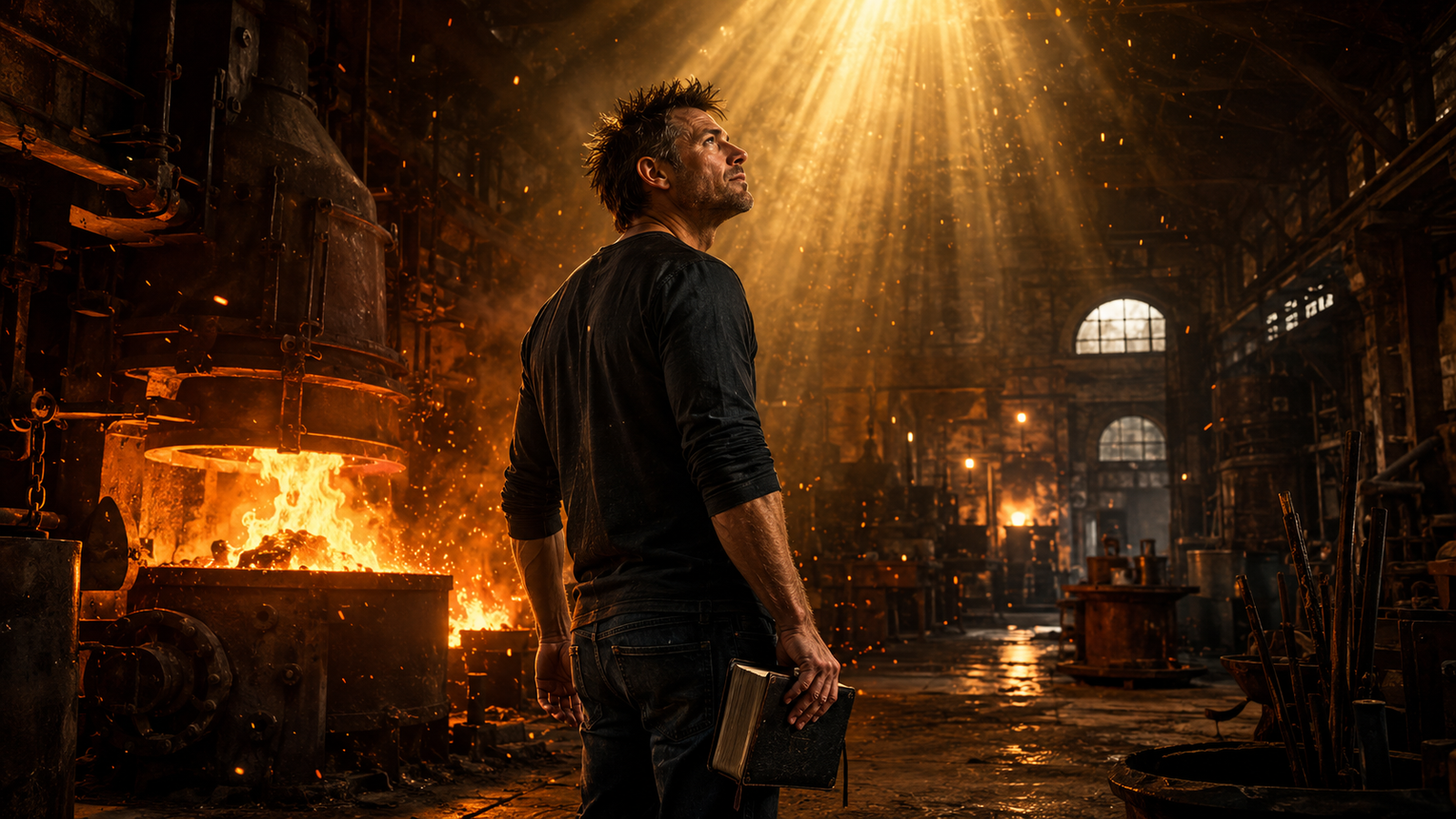
Maybe that’s why this realization has been pressing so heavily on my heart, because death is where I find myself today. Not physical death, but the death of the future I thought I was going to have…
…And then, as I sat with that thought, something else came to mind: Our God has always had a habit of showing up where everyone else sees only death.
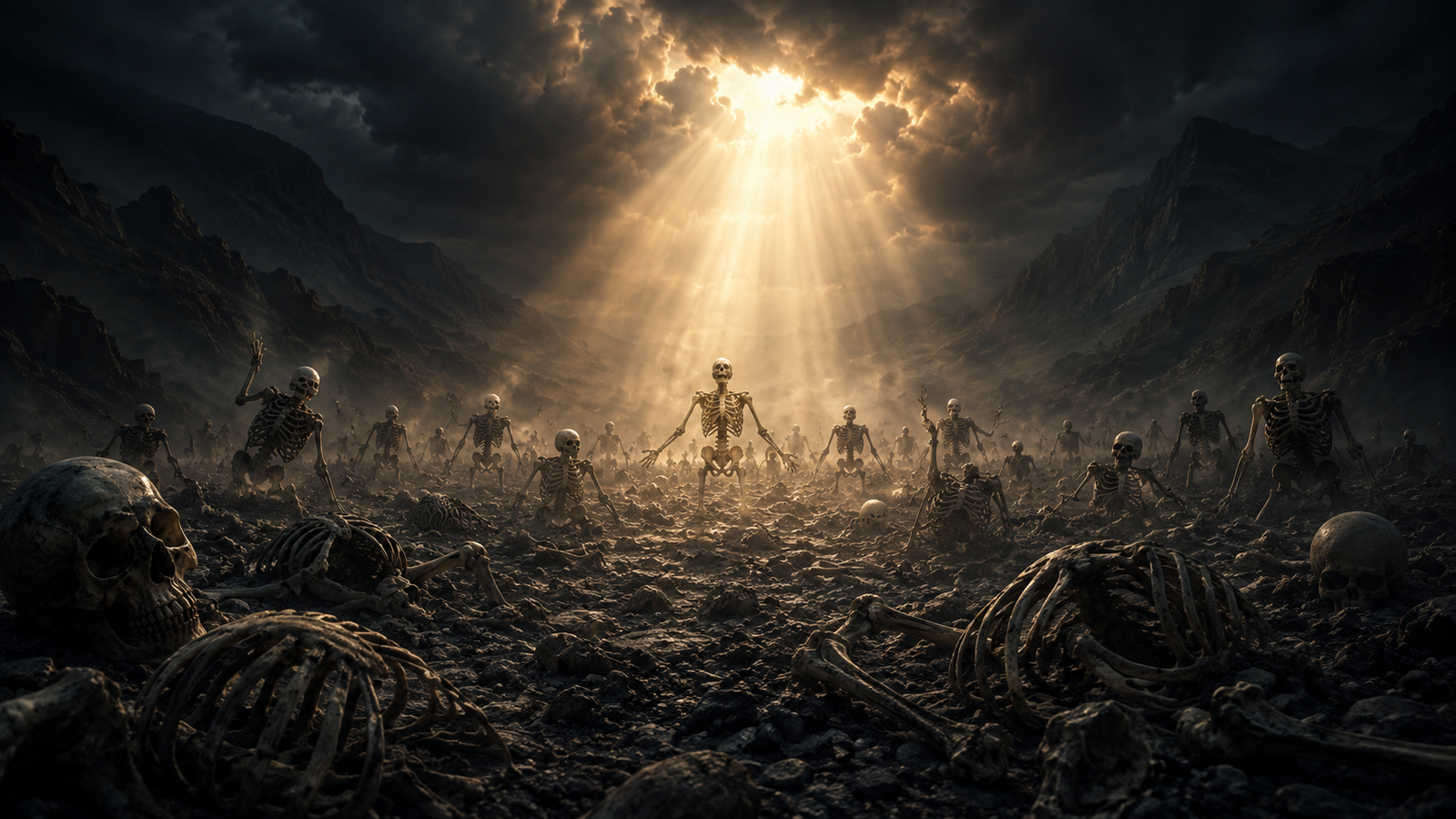
When Abraham and Sarah’s hope for a child had long since died, God gave them Isaac. When the widow of Zarephath’s son died, God used Elijah to restore his life. When the Shunammite woman’s son died, God worked through Elisha to raise him again. When Ezekiel stood in the valley of dry bones, God asked what must have sounded like an impossible question:
“Son of man, can these bones live?” – Ezekiel 37:3
Humanly speaking, the answer was obvious. No, dry bones don’t live. Dead things don’t breathe. Graves don’t empty themselves, but God told Ezekiel to prophesy anyway. The bones came together, breath entered them, an entire army stood where there had only been death.
Then Jesus came.
He interrupted a funeral procession in Nain and gave a widow back her son. He took Jairus’ daughter by the hand and said, “Little girl, arise.” He stood outside Lazarus’ tomb after four days and called him to come out. Each miracle declared the same truth: Death does not intimidate God.
But none of those are the greatest resurrection in Scripture. Every one of those people eventually died again. The greatest resurrection happened outside Jerusalem.
After betrayal.
After abandonment.
After unimaginable suffering.
After a sealed tomb.
After everyone believed the story was over.
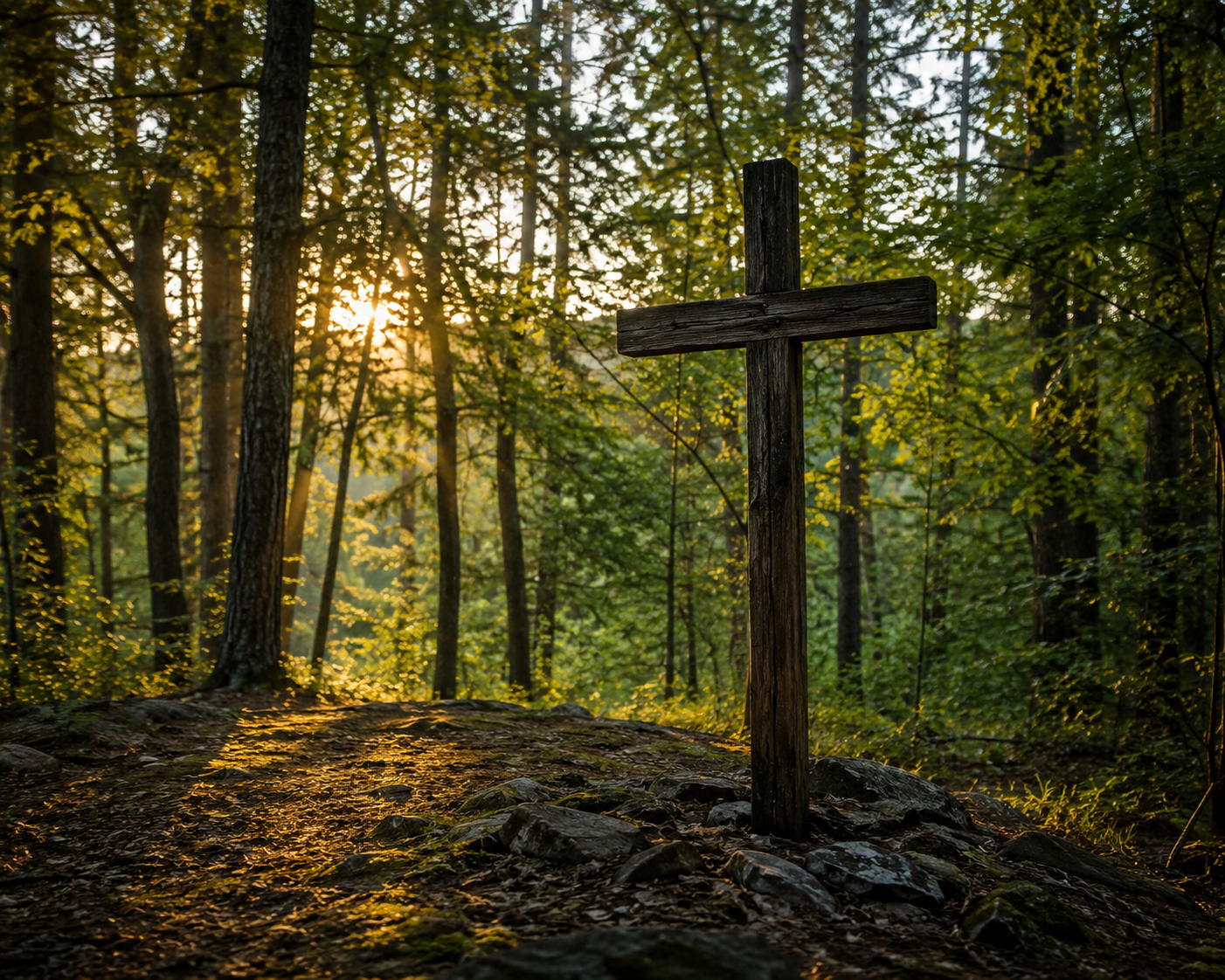
Three days later, Jesus Christ walked out of His own grave. Death itself had finally met someone it could not keep. The greatest miracle of the gospel isn’t simply that Jesus raised the dead, it’s that Jesus defeated death forever.
And that’s where my emotions collide with my faith.
My emotions tell me the story is over.
My emotions tell me to quit hoping.
My emotions tell me to walk away and never look back.
There are moments when those emotions are louder than anything else, but I know in my heart and mind that they cannot define me.
I don’t know what will happen to my marriage. As far as I can see, every sign points toward an ending, not a beginning. Scripture never promises that every broken marriage will be restored, and I’ve finally accepted that I cannot make another person choose reconciliation. I cannot make someone love me. I cannot rebuild a relationship by myself.
Recently, something happened that, months ago, I would have celebrated. Through a motion for conciliation filed by my attorney, my wife agreed to participate in counseling. For a moment, it felt like maybe a door had cracked open, but two weeks have passed, and nothing has been scheduled. Meanwhile, my request for visitation with my three boys was ignored. It seems like forever since I’ve seen them, every passing day is another day of missed memories that can never be recreated.
Maybe that’s why it’s so difficult for me to feel hopeful today. The writer of Proverbs tells us,
“Hope deferred makes the heart sick” – Proverbs 13:12
Today, I understand those words. After all that’s happened, why wouldn’t I think my marriage is dead? Why wouldn’t I wonder whether my family, at least as I once knew it, is gone forever? Those are the questions my emotions keep asking, but emotions, no matter how real they feel, are not always the final authority. That authority belongs to God.
I can’t resurrect what I don’t have the power to revive. Whether God chooses to resurrect this marriage is in His hands, not mine. I don’t know what He will do, and for the first time in a long time, I’m beginning to accept that I don’t have to know, and that I can find freedom in Him, but it doesn’t come along without the hard days like today.
What I do know is this, the God I worship specializes in resurrecting dead things.
He brought life to barren wombs.
He breathed life into dry bones.
He called dead sons and daughters back to life.
He called Lazarus out of a tomb.
And He raised His own Son on the third day, defeating sin and death forever.
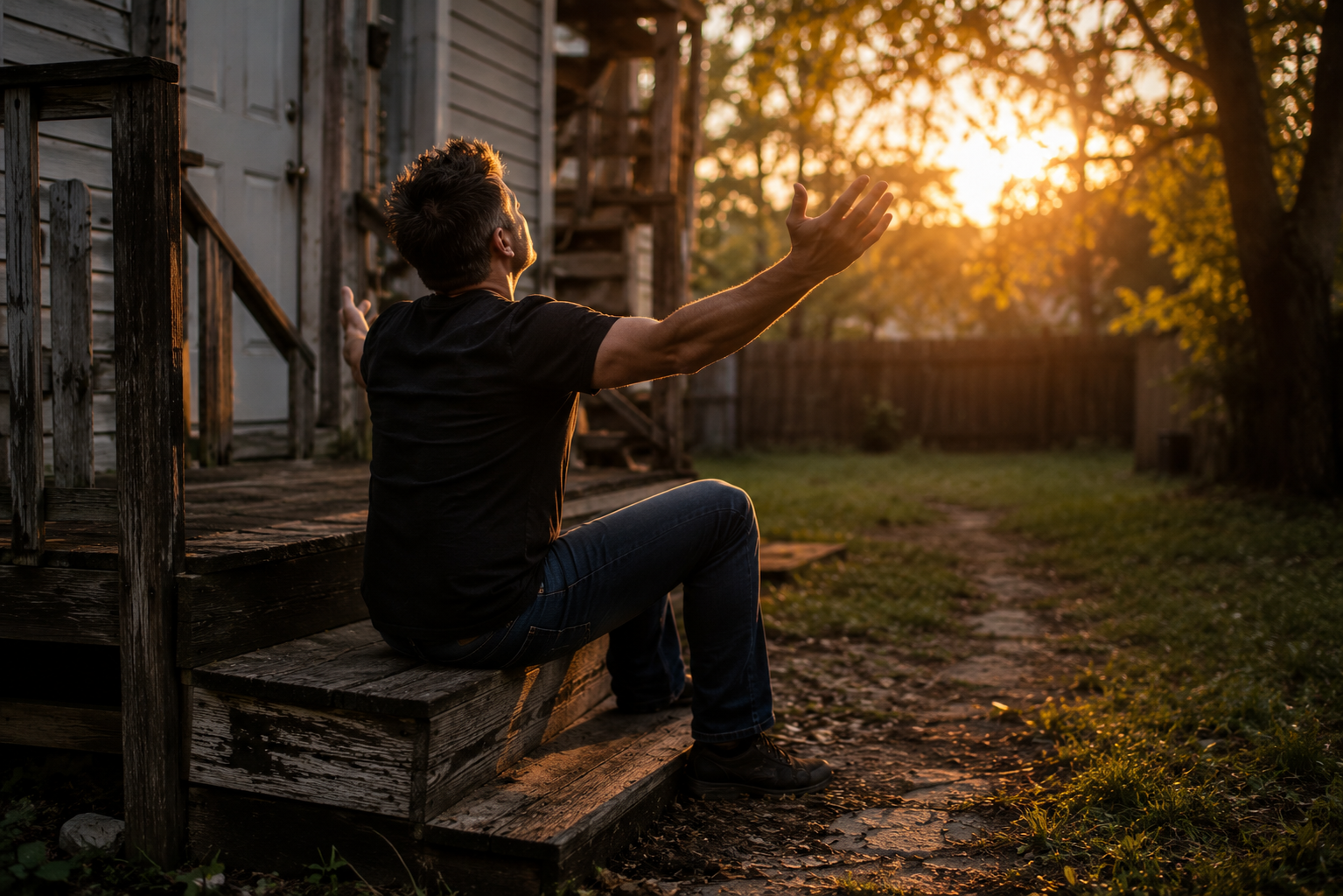
So today, I have very little confidence in my circumstances, but I have not lost confidence in Christ. My hope has never ultimately rested in the strength of my marriage, it rests in the One who conquered the grave.
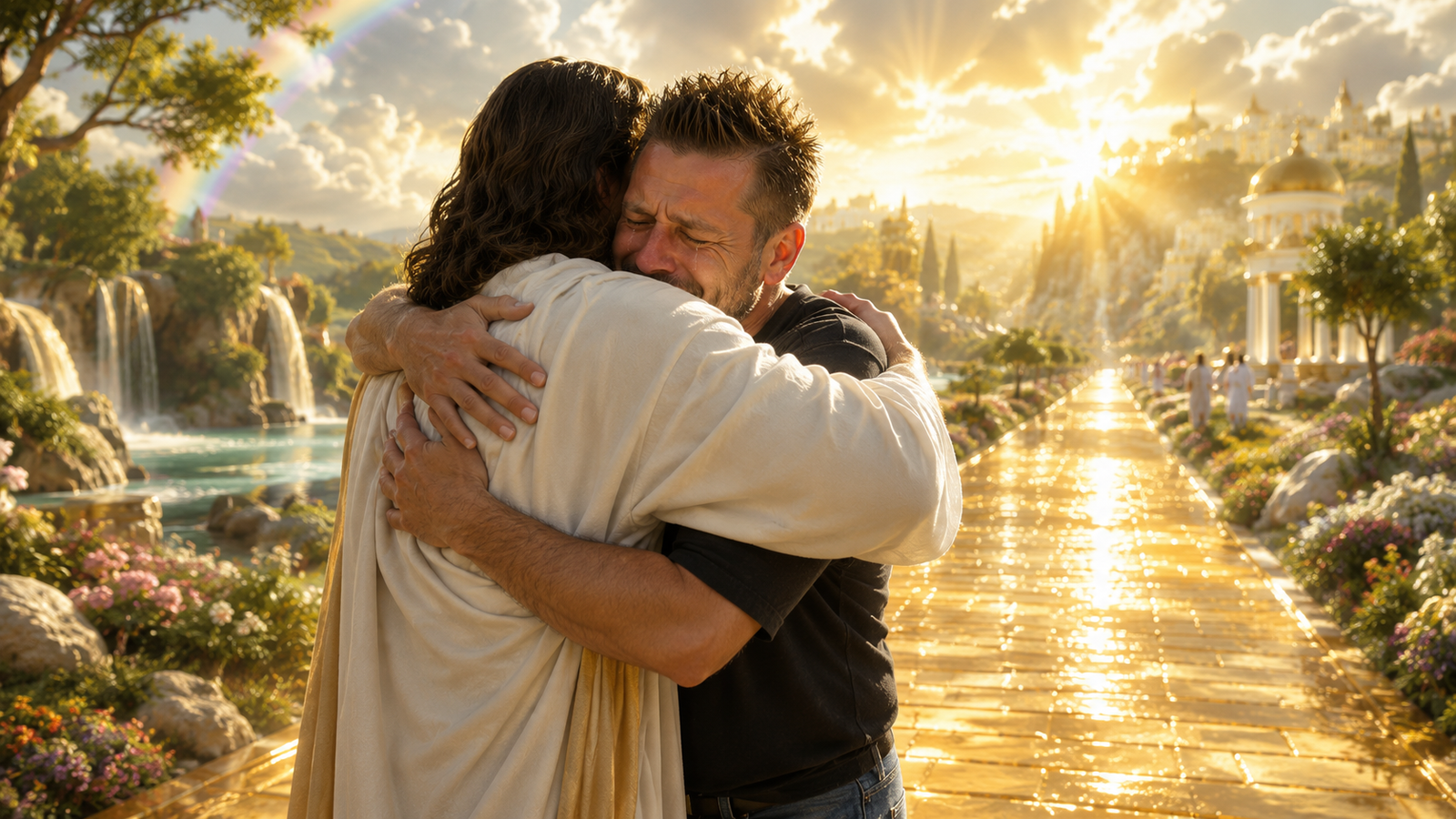
Today, every visible sign tells me my marriage is dead, but I’ve read enough of the Bible to know that God has never considered a grave to be the end of the story. So I’ll pray one more prayer. I’ll trust Him one more day. I’ll wait one more day. Not because I can see what He’s doing, but because I know who He is. The God who walked out of Joseph’s tomb has never been afraid of cemeteries, and if He chooses, He is still able to breathe life into places where everyone else, including me, sees only death.



One Response
Brian, I don’t have words that fix any of this, but I read every line of this one. The image of that ring hitting the water — I felt that. You didn’t write a tidy ending because there isn’t one right now, and that’s exactly why this matters. I’m proud of you for telling the truth instead of the version that sounds better. Praying for you, for those boys, and for whatever God is doing in the middle of what looks dead right now. I love you, nephew. Keep standing.