
Rating: ★★★★½ (4.5/5)
There are books you read, finish, put back on the shelf, and perhaps remember a few good ideas from later. Then there are books that follow you around for a while. Running from Mercy: Jonah and the Surprising Story of God’s Unstoppable Grace by Anthony J. Carter was one of those books for me.
I read Running from Mercy as part of a small-group study with The Redeemed, and initially I wasn’t expecting the book of Jonah to surprise me very much. I’ve known the story for most of my life. Jonah runs from God. A storm comes. Jonah gets thrown overboard. A great fish swallows him. Jonah prays. The fish spits him out. Jonah finally goes to Nineveh, preaches God’s message, and the people repent. If you grew up in church, you probably know the story too.
But Carter helped me see that Jonah isn’t primarily a story about a man and a giant fish. It’s a story about the relentless mercy of God—and about how uncomfortable that mercy can become when God gives it to people we don’t think deserve it. Somewhere along the way, I stopped simply reading about Jonah and started seeing myself in him.
It’s easy to criticize Jonah. God told him to go one direction, and he went the other. God told him to preach to Nineveh, and Jonah headed for Tarshish. God showed compassion, and Jonah became angry. But Jonah eventually admitted that God’s character was precisely why he ran. He knew God was “a gracious God and merciful, slow to anger and abounding in steadfast love” (Jonah 4:2). Jonah didn’t run because he misunderstood God. He ran because he understood Him. He knew there was a possibility that the Ninevites would repent and God would show them mercy, and Jonah didn’t want that to happen.
That makes Jonah considerably more uncomfortable to read, because I’ve done that too.
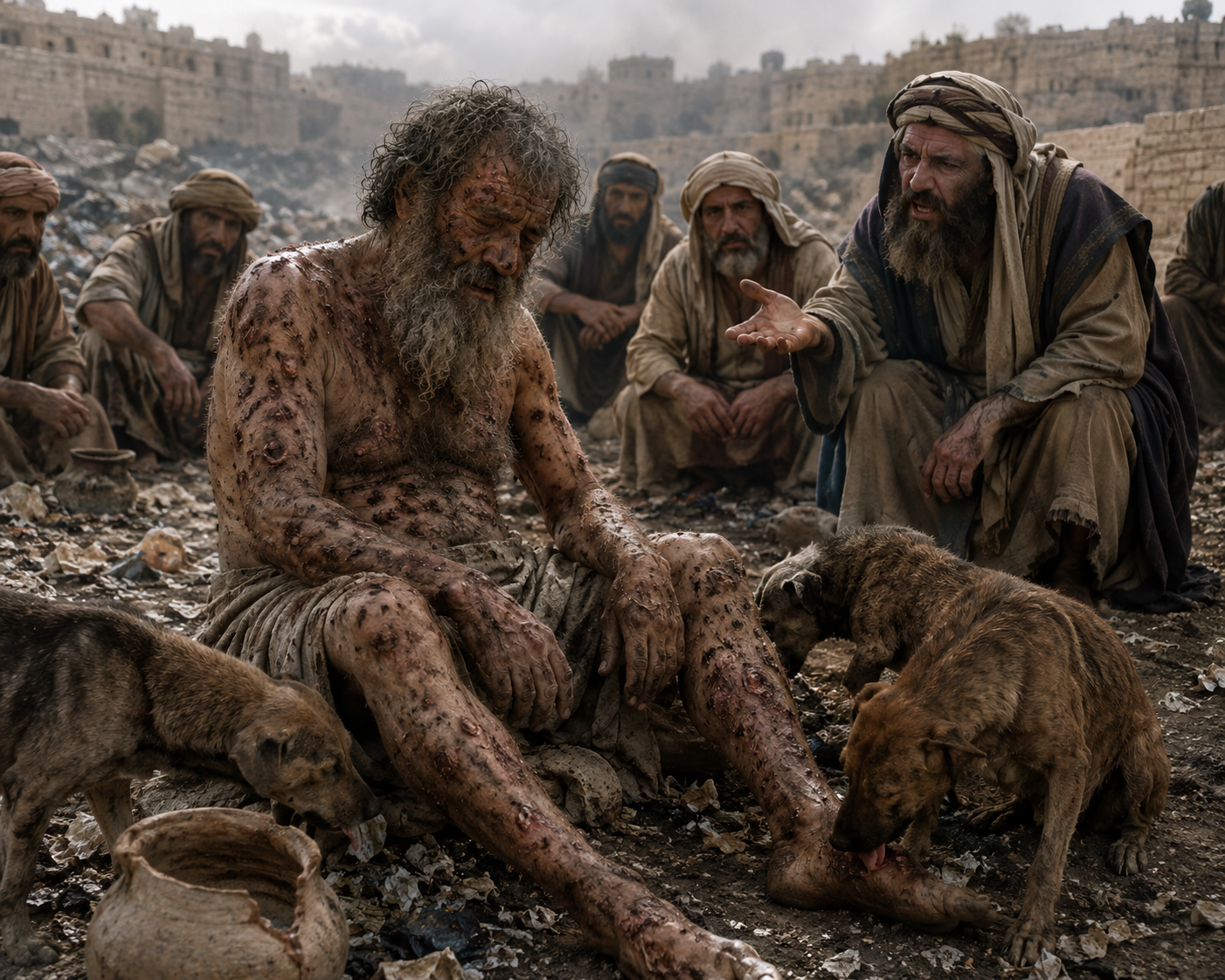
One of the biggest things Running from Mercy forced me to consider was a difficult question: What happens when God decides to show mercy to someone who hurt me? It’s easy to celebrate amazing grace when we’re the ones receiving it. It becomes much harder when grace is extended to someone we believe deserves consequences. Yet that is exactly what Jonah encountered at Nineveh, and it’s also at the heart of the gospel.
“But God shows his love for us in that while we were still sinners, Christ died for us.” (Romans 5:8)
Christ didn’t die for me after I cleaned myself up. He didn’t wait until I deserved mercy. He saved a sinner. That means I can’t celebrate the mercy God showed me while resenting the possibility that He might show mercy to another sinner. That doesn’t mean forgiveness is easy. It doesn’t erase consequences, remove appropriate boundaries, or mean reconciliation is always possible. But it does expose something in my heart that I would sometimes rather not see.
Another lesson from Running from Mercy struck me deeply enough that it eventually became the foundation for the first article in my three-part Surprised by Grace series: we don’t really understand grace until we stop trying to save ourselves. I’ve spent a lot of my life trying to accomplish things, fix things, solve problems, and become better. There’s nothing wrong with growth, but our accomplishments make terrible foundations for our identity. The past couple of years have stripped away enough things I once depended on to make that lesson painfully real without retelling the entire story here.
Jonah couldn’t save himself from the storm. He couldn’t save himself from the sea. He couldn’t save himself from the fish. Ultimately, Jonah couldn’t save himself from Jonah. Neither can I. Scripture says, “For by grace you have been saved through faith. And this is not your own doing; it is the gift of God” (Ephesians 2:8). Grace begins when I finally admit that I need it.
One of my favorite things about Carter’s treatment of Jonah is the reminder that God wasn’t merely interested in getting Jonah to Nineveh. God was interested in Jonah. Jonah runs, God pursues him. Jonah disobeys, God doesn’t abandon him. Jonah reluctantly obeys, and even when his heart still isn’t right, God continues patiently dealing with him. The storm, the fish, the plant, and even God’s questions at the end of the book are all part of that pursuit.
That has changed the way I think about some of the difficult seasons in my own life. We naturally ask God to remove the storm. I certainly have. But sometimes God uses the storm to expose what we’ve been trusting instead of Him. I wouldn’t have chosen many of the circumstances I’ve walked through, and I still pray for some of them to change, but I can also recognize that God has met me in places where I probably wouldn’t have looked for Him otherwise. That’s mercy.
Running from Mercy affected me enough that my thoughts about it eventually became a three-part series here on Faith for Real Life. In Surprised by Grace, Part 1: You Won’t Know the Grace of God Until You Stop Trying to Save Yourself, I wrote about self-reliance and learning that we cannot save ourselves. Part 2: When God’s Grace Offends Us wrestled with the uncomfortable reality of God extending grace to people we might rather see receive justice. Part 3: Extending the Mercy We’ve Received turned the question toward us: if we’ve received undeserved mercy from God, how should that change the way we extend mercy to others?
Those articles became personal because Carter’s book caused me to read Jonah differently. Instead of simply asking, “What was wrong with Jonah?” I started asking, “Where am I Jonah?” That’s a much more uncomfortable question.
If your understanding of Jonah mostly comes from Sunday school lessons about a runaway prophet and a really big fish, Running from Mercy is worth reading. Carter takes a familiar Old Testament account and points us toward the much larger story behind it: rebellious sinners, a merciful God, repentance, grace, and God’s persistent pursuit of people who would rather run in their own direction.
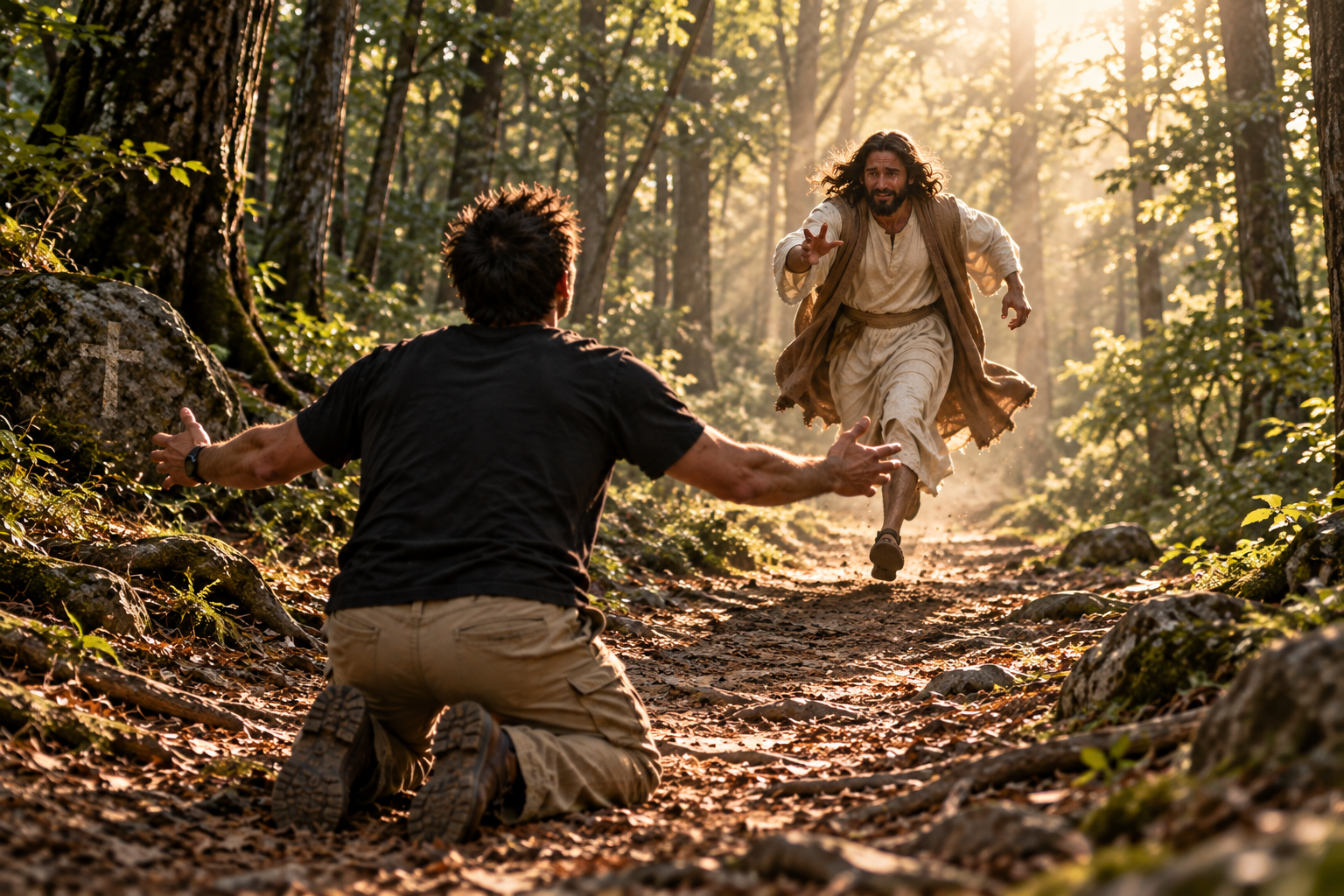
Perhaps that’s the biggest compliment I can give the book. It made a part of Scripture I’ve known since childhood uncomfortable again. It reminded me that I’m not merely watching Jonah run. I’m a runner too. Jonah ran from God. Jonah ran from God’s calling. Jonah ran from people he didn’t believe deserved mercy. Yet he discovered something every Christian eventually has to learn: we aren’t very good at outrunning God. His mercy keeps finding us.
That doesn’t mean God approves of our rebellion or that sin has no consequences. It means our failures aren’t greater than God’s ability to redeem. And ultimately, that’s why I recommend Running from Mercy. It isn’t really about the fish. It’s about the God who pursued Jonah, the God who showed mercy to Nineveh, the God who sent His Son to save sinners, and the God who continues pursuing people like me.
I’ve spent enough of my life trying to fix myself, defend myself, prove myself, and save myself. I’m learning that grace begins when I stop running, and mercy catches up.