
“We are hard pressed on every side, yet not crushed; perplexed, but not in despair; persecuted, but not forsaken; struck down, but not destroyed.” — 2 Corinthians 4:8–9
This week has been emotionally heavy.
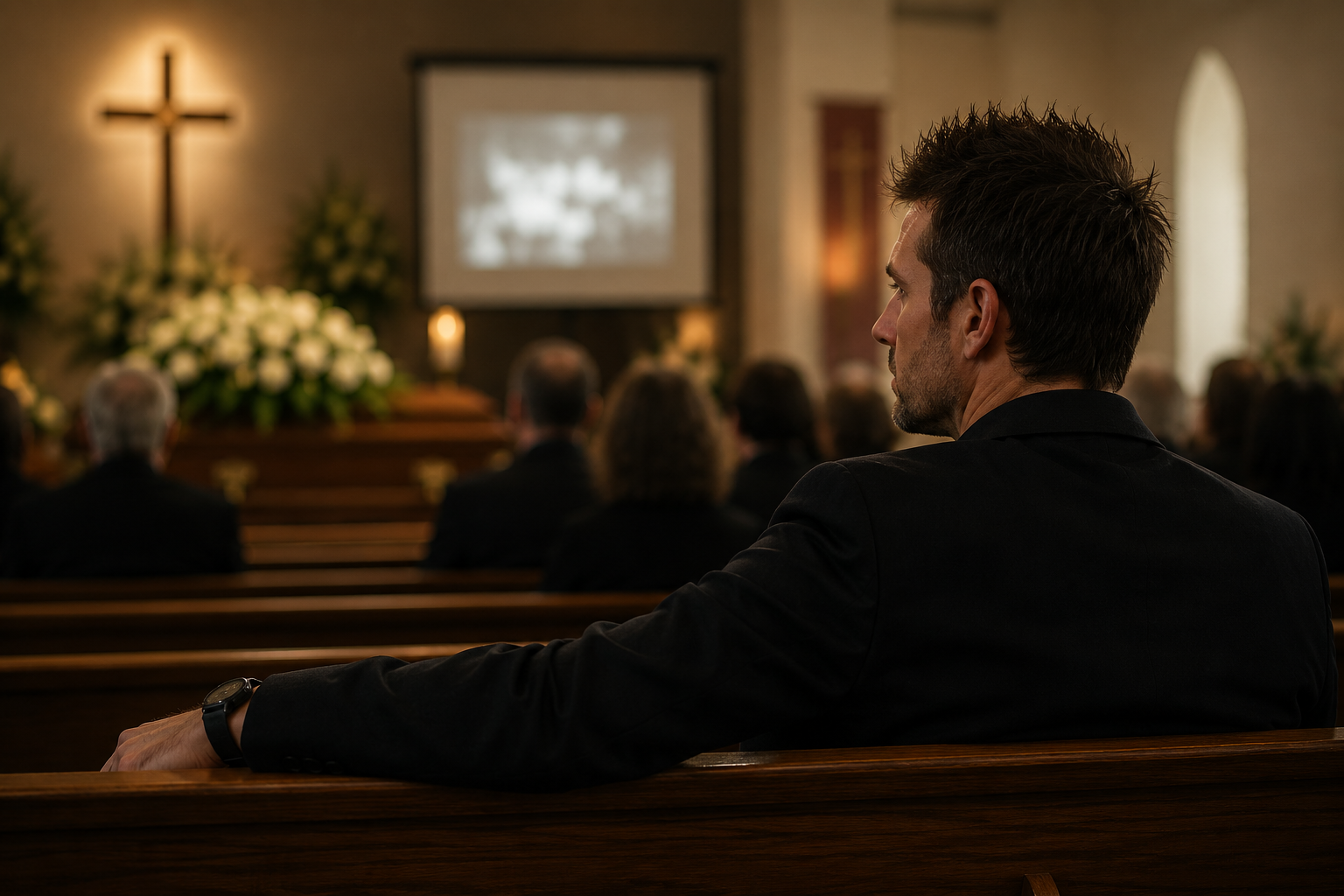
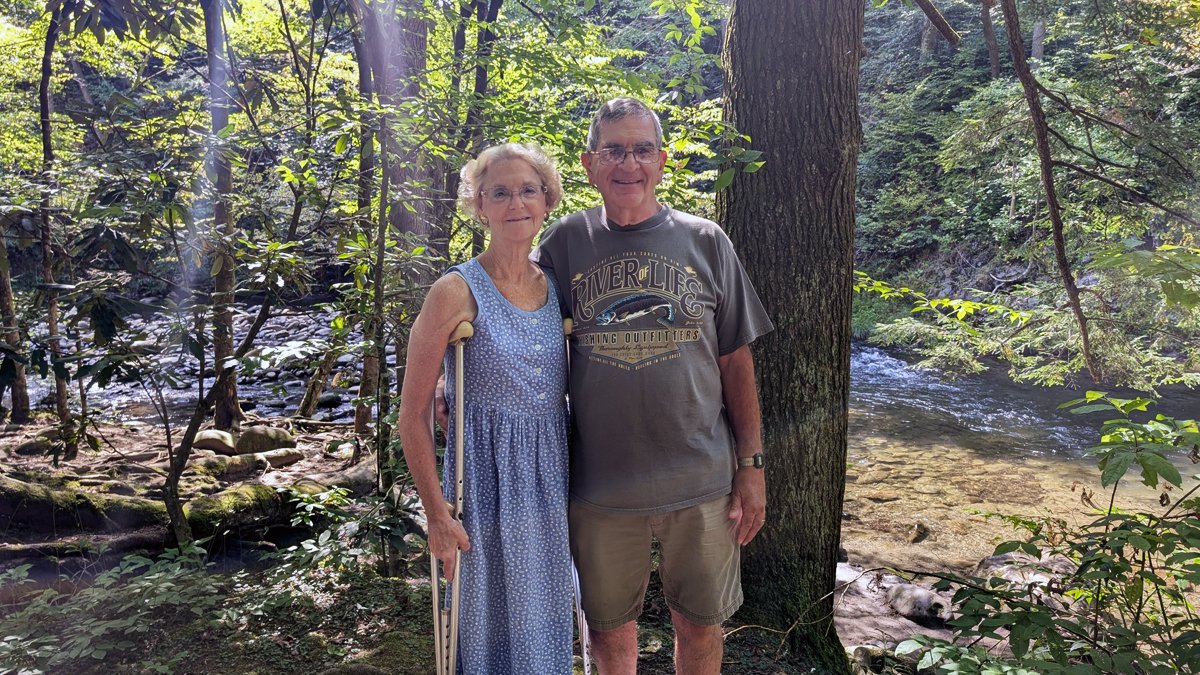
Yesterday I attended the funeral of a friend I’ve known since kindergarten. His mother passed away after a battle with cancer. Sitting in my church, listening to family and friends celebrate her life, I found myself thinking about my own mom. My mother is also a cancer survivor. Years ago, cancer permanently changed her life and ultimately led to the loss of her leg, hip & pelvis (future story). By God’s grace she is still here, and I thank God for every conversation, every visit, every holiday, and every memory we continue to make together.
As I sat there reflecting on another family’s loss, I couldn’t escape a sobering reality. One day, unless the Lord returns first, I will likely sit in a funeral home grieving the loss of my own parents. That’s a thought I don’t like to entertain, but it is one that eventually comes for every son and daughter. My parents have been among God’s greatest earthly blessings in my life. They’ve loved me through my successes, stood beside me through my failures, and continued encouraging me through some of the darkest seasons I’ve ever experienced. As I’ve grown older, I’ve realized more than ever that our time together is a gift. None of us knows how many days God has ordained for us or for those we love.
Death feels so unnatural because, according to Scripture, it is. When God created Adam and Eve, death was never part of His perfect design. It entered the world because of sin. Paul reminds us in Romans 5:12, “Therefore, just as through one man sin entered the world, and death through sin, and so death spread to all men…” Every funeral is a reminder that we live in a fallen world. James writes that our lives are “a mist that appears for a little while and then vanishes” (James 4:14). Those verses are not meant to make us fearful; they are meant to give us perspective. Life is short. Love people while you have them. Forgive quickly. Encourage often. Invest your life in things that will matter long after you’re gone.
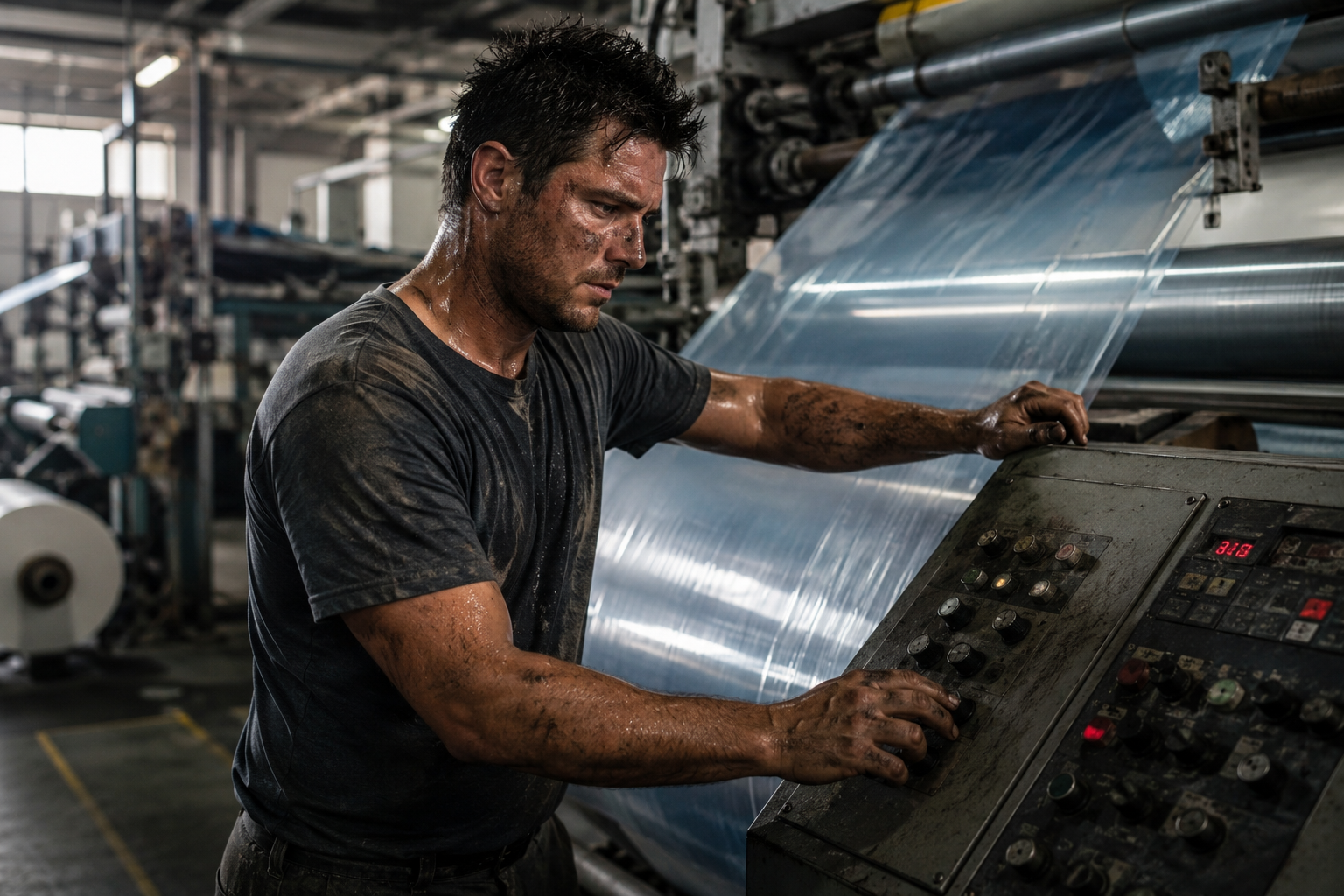
As I drove from the funeral back to my current blue-collar job, another burden occupied my mind. At work, I’ve been facing a very different kind of trial.
Adversity doesn’t always arrive in the form of tragedy. Sometimes it comes through difficult people. Lately I’ve been dealing with a coworker who seems determined to find fault in me. Rather than helping his teammates succeed, he watches for mistakes, takes pictures or videos, and appears eager to report every misstep. He’s got a serious chip on his shoulder and regular chews me out, or bites my head off. Now it seems he’s up to third grade antics of sabotage, nothing like I’ve experienced working in a professional white collar world, even on my worst days. I don’t understand his motives, because weeks prior, he was praising the same exact work I do on a daily basis. Only God knows another person’s heart. But from where I stand, it often feels like this person is waiting for me to fail instead of hoping I’ll succeed.
This experience has also caused me to wrestle with a question I’ve never really had to ask before. Could this be the first time in my life that I’m experiencing even a small measure of opposition because of my Christian convictions? I don’t ask that because I think I’m some kind of martyr. I’m certainly not. Around the world there are believers who are imprisoned, beaten, and even killed because they follow Jesus. What I’m experiencing doesn’t compare to that. But I do wonder.
I try to work hard. I try to tell the truth even when it’s uncomfortable. I try to avoid gossip. I try to own my mistakes instead of blaming someone else. I pray for the men and women I work beside every single morning. I genuinely want to be known as someone who works with integrity because I represent Christ before I represent myself. Those convictions don’t make me better than anyone else. They simply reflect the values I was raised with and the work God continues to do in my heart.
Maybe my faith has nothing to do with this situation. Maybe it has everything to do with it. I honestly don’t know. What I do know is that Jesus said His followers shouldn’t be surprised when living differently creates friction with the world around them. He said, “If the world hates you, know that it hated Me before it hated you” (John 15:18). Peter also wrote, “But even if you should suffer for righteousness’ sake, you will be blessed” (1 Peter 3:14). Whether that’s what’s happening here or not, the principle remains the same. My responsibility isn’t to figure out another person’s motives. My responsibility is to honor Christ in the way I respond.
That has not always been easy. I’ve certainly made mistakes. There have been days when frustration got the better of me. There have been moments when my attitude wasn’t what it should have been. God has used this season to expose areas of my own heart that still need work. Yet every morning before I leave for work, I pray. I pray for this coworker by name. I pray for the other men and women I work beside. I ask God to bless their families, draw them closer to Himself, protect them, and help me become an encouragement instead of another source of conflict. Some mornings that prayer comes naturally. Other mornings it’s an act of obedience. Jesus never said praying for difficult people would be easy. He simply said, “Love your enemies and pray for those who persecute you” (Matthew 5:44).
As I reflected on both the funeral and my situation at work, I was reminded of something Charles Stanley teaches in How to Handle Adversity. He explains that our natural response is to ask, “Why is this happening to me?” But he argues that the better question is, “How should I respond?” That simple change in perspective has challenged me. I may never understand why cancer touches one family while another is spared. I may never understand why one coworker chooses to encourage while another chooses to criticize. I may never understand why some seasons of life seem filled with one hardship after another. But perhaps those aren’t the most important questions.
The better question is this: How can I glorify Christ in the middle of it?
Charles Stanley also encourages believers to look at adversity from God’s perspective instead of their own. That has been convicting for me because my natural instinct is to focus on changing my circumstances. God, however, often seems more interested in changing my heart than changing my situation. James writes, “Count it all joy, my brothers, when you meet trials of various kinds, for you know that the testing of your faith produces steadfastness” (James 1:2–3). I don’t enjoy adversity. I wouldn’t have chosen unemployment in the beginning. I wouldn’t have chosen separation from my family. I wouldn’t have chosen difficult coworkers. I wouldn’t have chosen funerals. But when I look back over the last two years, I also can’t deny that God has used every one of those trials to make me depend on Him more than I ever did before. Maybe that’s one of adversity’s greatest gifts. It strips away the illusion that we were ever in control to begin with.
Grieving with Hope
While Charles Stanley’s question, “How should I respond?” has helped me think differently about adversity, it has also changed the way I think about grief. As I sat in that funeral home, I wasn’t just mourning with another family. I found myself thinking about my own. I looked across the room at my friend who had lost his mother, and I couldn’t help but picture the day I may have to say goodbye to my own parents. I don’t know when that day will come. It may be years from now, or it could be sooner than I expect. Only God knows. If I’m honest, that thought scares me.
No matter how old we become, there’s something comforting about knowing Mom and Dad are still there. They’ve been two of God’s greatest gifts in my life. They taught me right from wrong, introduced me to Jesus, and modeled hard work, faithfulness, forgiveness, and unconditional love. Even during the most difficult season of my life, they have never stopped loving me or encouraging me. The thought of living in a world without them is almost impossible for me to imagine.
Yet the Bible never tells us to pretend death doesn’t hurt. In fact, one of the shortest verses in all of Scripture may also be one of the most comforting: “Jesus wept” (John 11:35). Jesus stood outside the tomb of Lazarus knowing He was only moments away from raising His friend from the dead, yet He still wept. That tells me something wonderful about our Savior. He isn’t distant from our pain. He isn’t annoyed by our tears. He enters into our grief with us because He understands the ache of loss.
The apostle Paul writes that we should not grieve “as others do who have no hope” (1 Thessalonians 4:13). Notice what Paul doesn’t say. He doesn’t tell Christians not to grieve. He tells us not to grieve without hope. We still cry. We still miss the people we love. We still feel the emptiness around the dinner table or the silence after the phone stops ringing. Grief is real because love is real. But beneath our tears rests an unshakable confidence that because Jesus conquered sin and death, every believer who dies in Christ has simply stepped into His presence. Funerals are painful, but for Christians they are never the end of the story.
The older I become, the more I realize that every funeral quietly preaches two sermons. One reminds us that life is short. The other reminds us to make it count. None of us knows how many days remain, which is why every day becomes another opportunity to love well, forgive freely, and live faithfully before the Lord.
What Adversity Reveals
One of the unexpected gifts of adversity is that it reveals what’s really happening inside our own hearts. It’s easy to spend our time examining the faults of difficult people. It’s much harder to ask God to expose our own attitudes. As I’ve dealt with challenging people over the past couple of years, I’ve found God asking me questions that are far more uncomfortable than the circumstances themselves. Am I becoming bitter? Am I allowing someone else’s behavior to steal my joy? Am I responding with humility or pride? Am I trusting God with justice, or am I trying to take matters into my own hands?
Those questions have forced me to look inward instead of outward. They have reminded me that while I cannot control another person’s actions, I am responsible for my own. I may never change a difficult coworker, but with God’s help I can keep my own heart from becoming hard.
I’ve also wrestled with something else. Sometimes I wonder if people mistake my desire to live according to biblical convictions as self-righteousness. Maybe they think I believe I’m better than they are. The truth is exactly the opposite. The older I become, the more aware I am of my own failures and my constant need for God’s grace. I’ve sinned. I’ve made poor decisions. I’ve hurt people. I’ve needed forgiveness more times than I could ever count. I don’t want people to think I’m a perfect Christian because I’m certainly not. My desire isn’t to appear righteous before people; it’s simply to pursue righteousness before God. There is a tremendous difference between those two pursuits. One seeks the approval of people, while the other seeks the approval of Christ.
Peter encourages believers to “keep your conduct among the Gentiles honorable” (1 Peter 2:12). That verse reminds me that I cannot manage someone else’s opinion of me. Some people will misunderstand my motives. Others may question my character. Ultimately, I have to leave those things in God’s hands and focus on living with integrity regardless of how others respond.
One Broken World…One Great Hope
This week reminded me that every person is carrying burdens most of us never see. Some are sitting beside hospital beds. Some are grieving at funerals. Some quietly fear the day they’ll lose their parents. Others walk into workplaces every morning wondering what challenge or conflict awaits them. We live in a broken world, and because of that, adversity comes in many different forms. Sometimes it arrives through tragedy. Sometimes through disappointment. Sometimes through strained relationships. Sometimes through people who seem determined to make life more difficult than it needs to be.
The comforting truth is that none of those things catch God by surprise. He is just as present in the funeral home as He is on the factory floor. He is just as faithful in the middle of grief as He is in the middle of conflict. He is just as worthy of our trust on our hardest day as He is on our best.
As I look back over the past two years, I can honestly say I never would have chosen this road. But if walking this difficult road has taught me anything, it is this: I would choose the God who has walked beside me through every single valley. He has never abandoned me. He has never stopped being faithful. He has never stopped reminding me that this world is not my home.
One day every funeral will end. One day every difficult relationship will either be healed or left behind. One day every misunderstanding, every injustice, every hardship, and every tear will give way to the presence of Jesus Christ. As Revelation 21:4 promises, “He will wipe away every tear from their eyes, and death shall be no more, neither shall there be mourning, nor crying, nor pain anymore, for the former things have passed away.”
Until that glorious day, I want to keep asking the question Charles Stanley challenged his readers to ask, not “Why is this happening to me?” but “Lord, how should I respond?” If I can answer that question faithfully, then even grief and adversity can become opportunities to reflect the character of Christ to a world that desperately needs Him.
Related reading: Read how biblical lament changed my faith, and the personal story of the day I lost my father.




2 Responses
Brian, this one hit different. You’ve got two very real weights in the same week — grief that’s coming for all of us eventually, and a workplace situation that’s testing you in real time — and instead of picking one to write about, you let them sit side by side. That’s honest, and it’s how life actually works.
The line that stuck with me most: “God, however, often seems more interested in changing my heart than changing my situation.” That’s the whole Christian walk in one sentence. Most of us want God to fix the coworker, fix the diagnosis, fix the circumstance — and He’s usually more concerned with what’s happening in us while we wait.
And I appreciate that you didn’t spiritualize away the hard part. You didn’t pretend the coworker situation doesn’t sting, and you didn’t pretend watching your friend bury his mother didn’t make you think about your own parents. Jesus wept at Lazarus’ tomb even knowing the resurrection was seconds away — grief and hope aren’t opposites, they coexist. You lived that out here instead of just quoting it.
Praying for a difficult coworker by name every morning, even when it’s “an act of obedience” and not natural — that’s faith with feet on it. That’s the action part most people skip. Easy to say “love your enemies.” Harder to actually name them in prayer before your shift.
Proud of you for writing through this instead of just around it. Keep going.
Brian, this brought tears to my eyes, as you know I recently lost my mom and 12 years ago, my dad. What we wouldn’t give to have that time back. But, just as a birth is normal and natural, so is death in our life. We rejoice in both, the births and as God says, we can rejoice in death of the saints. So, cherish your time with your parents as I know you always do. Praying for so many people who are estranged from their parents…
I am proud of you as you are seeking Gods will in every step of this journey. As in Romans 8:28, ALL THINGS work together for those who love God…. My best friend, Polly always said, “ when God is allowing trials, our attitude should be, “Lord, what are trying to teach me?” And always have a teachable heart. Our lives are our story. And our stories bring glory to God.
Guy and I both think and pray for you. An old preacher once said. “It’s never wrong to do right and its never right to do wrong.” (CC Hinton) as we all “seasoned believers “ have learned in walking with Christ for most of our life, we don’t gain favor with God with accomplishments, as the world thinks, but it is our humbleness before God… more of Him, less of us.
Keep on keeping on. Key is keeping our focus on the face of Jesus. ❤️❤️