
There comes a point in life when you have to decide whose opinion actually matters. We are surrounded by voices. Family members have opinions about us. Friends have opinions. Coworkers have opinions. Pastors, bosses, neighbors, social media, and complete strangers all seem willing to tell us who we are, what we should do, how we should live, and what they think we have done wrong. Sometimes their advice is helpful. Sometimes it is completely wrong. Sometimes people speak from wisdom and genuine concern, while other times they speak from their own fears, wounds, biases, or selfish motivations. If we are not careful, we can spend our entire lives trying to satisfy those voices.
Scripture warns us about this plainly: “The fear of man bringeth a snare: but whoso putteth his trust in the Lord shall be safe” (Proverbs 29:25). A snare is a trap. People-pleasing becomes a trap when someone else’s opinion begins controlling our peace. Someone criticizes us and we think about it for days. Someone misunderstands us and we become desperate to correct their perception. Someone doesn’t approve of a decision and suddenly we begin questioning something we previously believed was right. We start changing ourselves because we desperately want to be accepted.
There is nothing wrong with wanting people to like us. There is nothing wrong with wanting healthy relationships. God created us for community, friendship, family, fellowship, and love. The problem begins when our desire for acceptance becomes greater than our desire for obedience. That is when people can become a stronghold.
One verse really stands out to me in all of this: “If we receive the witness of men, the witness of God is greater” (1 John 5:9). That is such a simple statement, but there is an enormous truth behind it. People are going to have opinions. I think you should do this. I don’t think you should do that. If I were you… You need to… You shouldn’t… Some of those voices deserve consideration. Scripture repeatedly encourages us to seek wise counsel. Being unwilling to listen to anyone isn’t strength; sometimes it is simply pride. But counsel is not the same thing as control.
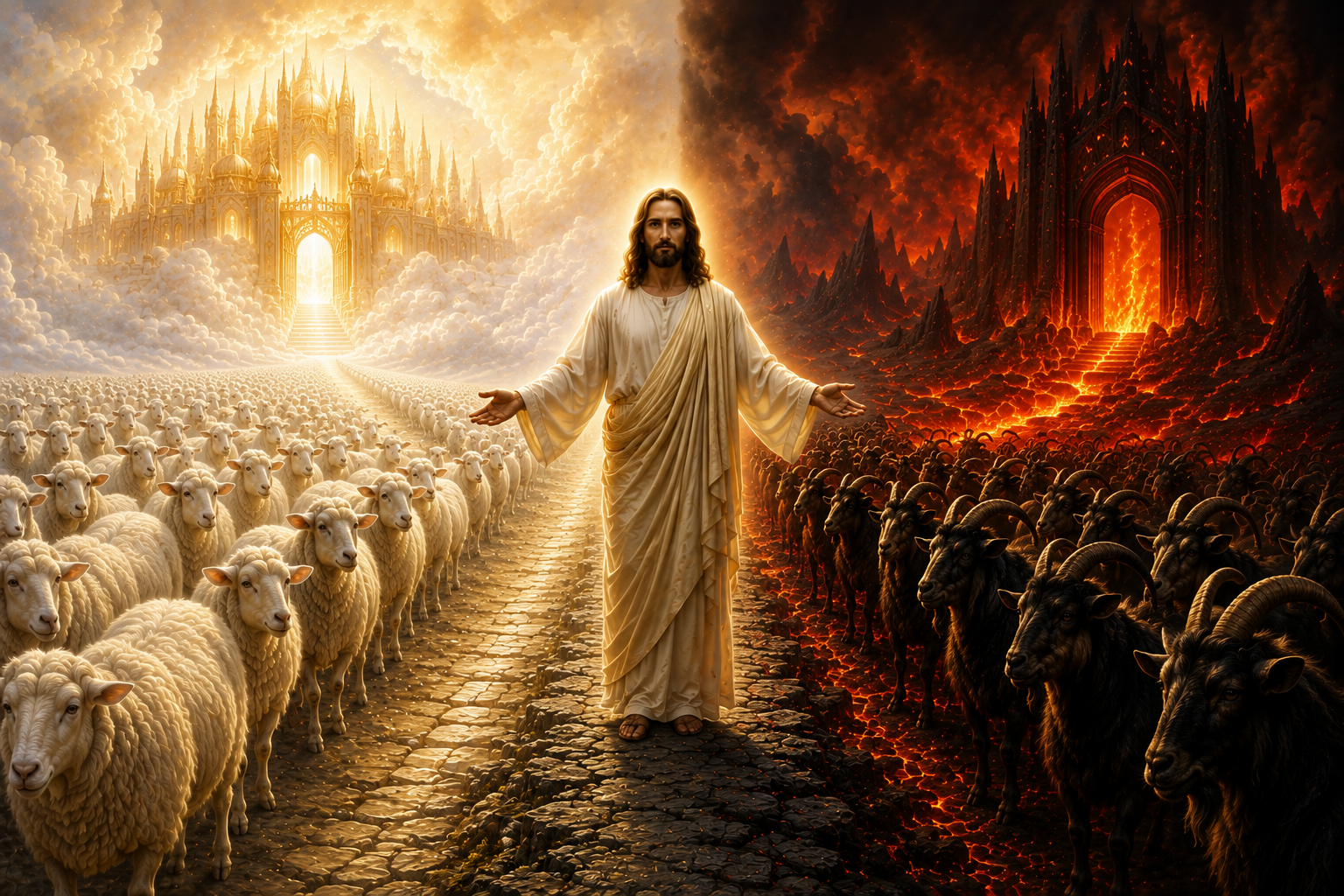
At some point, every Christian has to decide what happens when the opinions of people conflict with the truth of God. The witness of God is greater. That means God’s Word gets the final vote.
One of the greatest battles we face is deciding where our identity comes from. People will define us by our successes and failures. They may define us by our jobs, income, appearance, reputation, relationships, mistakes, or past. Some people may even define us by the worst moment of our lives. But none of those things gets the final word.
Moses faced an identity decision too. Hebrews 11:24 says, “By faith Moses, when he was come to years, refused to be called the son of Pharaoh’s daughter.” Think about what Moses was rejecting. Being associated with Pharaoh’s household meant status, privilege, wealth, influence, and comfort. Egypt was offering Moses an identity that most people would have gladly accepted. Moses refused it because he knew there was something greater.
At some point, we have to do the same thing. We have to refuse to allow other people to determine our identity. If God says I am forgiven, then my past does not define me. If God says I am His child, then rejection does not define me. If God says I have value, then somebody else’s dislike of me cannot remove that value. Our identity has to become anchored in something stronger than public opinion.
Hebrews continues by saying that Moses chose “rather to suffer affliction with the people of God, than to enjoy the pleasures of sin for a season” (Hebrews 11:25). Sometimes obedience hurts. We often want God to lead us down a path where everyone understands our decisions, supports us, applauds us, and tells us we’re doing the right thing. Life doesn’t always work that way.
Sometimes doing the right thing costs something. Sometimes maintaining a conviction creates conflict. Sometimes saying no disappoints somebody. Sometimes walking away from something unhealthy hurts. Sometimes following God means accepting temporary discomfort rather than choosing immediate gratification. That is where we have to learn to think beyond today. Short-term comfort can create long-term consequences, while short-term pain can sometimes produce long-term freedom. The question cannot always be, What will make me feel better right now? Sometimes the better question is, What choice will I be glad I made five years from now?
Hebrews 11:26 says Moses considered the reproach associated with Christ greater riches than the treasures of Egypt. Moses had to choose between two value systems, and so do we. Our culture tells us that success is measured by money, possessions, popularity, influence, appearance, status, and recognition. None of those things are necessarily wrong. Money isn’t evil. Success isn’t evil. Owning nice things isn’t evil. Being respected isn’t evil. But those things make terrible gods.
God measures life differently. God values faithfulness, integrity, humility, mercy, truth, generosity, purity, forgiveness, courage, love, and obedience. That creates an important question for every decision we make: Am I choosing this because God values it, or because people value it? Those two motivations can sometimes lead to very different destinations. People-pleasing asks, What will make them impressed with me? Faith asks, What will honor God?
Finally, Hebrews tells us that Moses moved forward “not fearing the wrath of the king: for he endured, as seeing him who is invisible” (Hebrews 11:27). I love that description. Moses could see Pharaoh. He could see Egypt. He could see the consequences standing directly in front of him. He couldn’t physically see God. Yet Moses chose to trust the One he couldn’t see more than the circumstances he could. That is faith.
People-pleasing is often driven by fear: fear of rejection, fear of criticism, fear of being misunderstood, fear of losing relationships, fear of what people will say, and fear of being alone. Faith doesn’t mean those possibilities aren’t real. Faith means they aren’t greater than God.
There are going to be moments when following Christ requires us to trust Him with the consequences. We cannot control what everyone thinks about us. We cannot make everyone understand us. We cannot force people to like us, believe us, forgive us, agree with us, or approve of our decisions. But we can decide who we are going to obey.
None of this means we should become arrogant or stop listening to people. There is a big difference between being free from people-pleasing and becoming someone who refuses correction. We need wise friends. We need accountability. We need pastors, mentors, counselors, and fellow believers who are willing to tell us the truth, especially when that truth is uncomfortable. But even the best human counsel must ultimately be measured against God’s Word.
People will change their minds. Culture will change its values. Friends may come and go. Some people will love us, and some won’t. Some will understand our decisions, while others never will. If our identity depends upon keeping everyone happy, we will spend our lives exhausted because there will always be another person whose approval we haven’t earned.
There is a better way to live. Refuse to be defined by others. Be willing to endure short-term pain for long-term gain. Choose what God values instead of what culture values. Live by faith instead of fear. And when all the voices around you are competing for the final word, remember: “If we receive the witness of men, the witness of God is greater.”
That’s whose voice I want to learn to hear above all the others.