

The Hard Road of Forgiveness
One of the most challenging commands in all of Scripture is found in Paul’s description of love:
“Love is patient, love is kind… it keeps no record of wrongs.” (1 Corinthians 13:4-5)
Most of us love that verse when we’re reading it at a wedding. We find it much harder to embrace when we’ve been deeply wounded. I’ve spent a lot of time recently studying forgiveness through scripture and through many books. What I’ve discovered is that forgiveness sounds simple in theory but can feel nearly impossible in practice.
Today, I find myself walking through one of the hardest seasons of my life. I am currently experiencing a divorce. I haven’t seen my children in eleven months. There are days when the pain feels overwhelming, and if I’m honest, forgiveness doesn’t come naturally. There are moments when I want answers. Moments when I want justice. Moments when I want to replay every hurt and every wrong in my mind. But as followers of Christ, we eventually come face to face with a difficult question: Will we keep a record of wrongs, or will we surrender them to God?
What Does It Mean to Keep a Record of Wrongs?
The phrase “keeps no record of wrongs” comes from an accounting term that means to keep a ledger or a detailed record of debts owed. In other words, love doesn’t maintain a running list of offenses. Love doesn’t continually revisit every hurt. Love doesn’t keep score.
That doesn’t mean we pretend sin never happened. It doesn’t mean we ignore injustice or refuse healthy boundaries. Forgiveness is not the same thing as trust, nor is it the same thing as reconciliation. Rather, it means we stop carrying the burden of being the judge, jury, and accountant of every offense committed against us.
Forgiveness isn’t about excusing what happened. It’s about freeing ourselves from the ongoing prison of bitterness. Forgiveness is not saying the hurt was acceptable. It is saying that we are entrusting the hurt to God instead of allowing it to define us.
The Ledger We Were Never Meant to Carry
When we’re hurt, keeping records feels natural. We remember every conversation, every accusation, every disappointment, every betrayal, every unanswered question. The problem is that those records eventually become chains. The more tightly we grip them, the heavier they become.
Scripture warns us about allowing a root of bitterness to grow in our hearts (Hebrews 12:15). What begins as justified hurt can slowly transform into resentment. Over time, resentment affects our relationship with others, our peace, our joy, and even our relationship with God.
I’ve had to wrestle with this reality personally. There are days when the loss of my family feels unbearable. Days when I wonder why things unfolded the way they did. Days when forgiveness feels less like a decision and more like climbing a mountain.
Yet every time I return to Scripture, I encounter the same truth: God calls me to forgive, not because the pain wasn’t real, but because He doesn’t want the pain to own me forever.
The Bread of Forgiveness
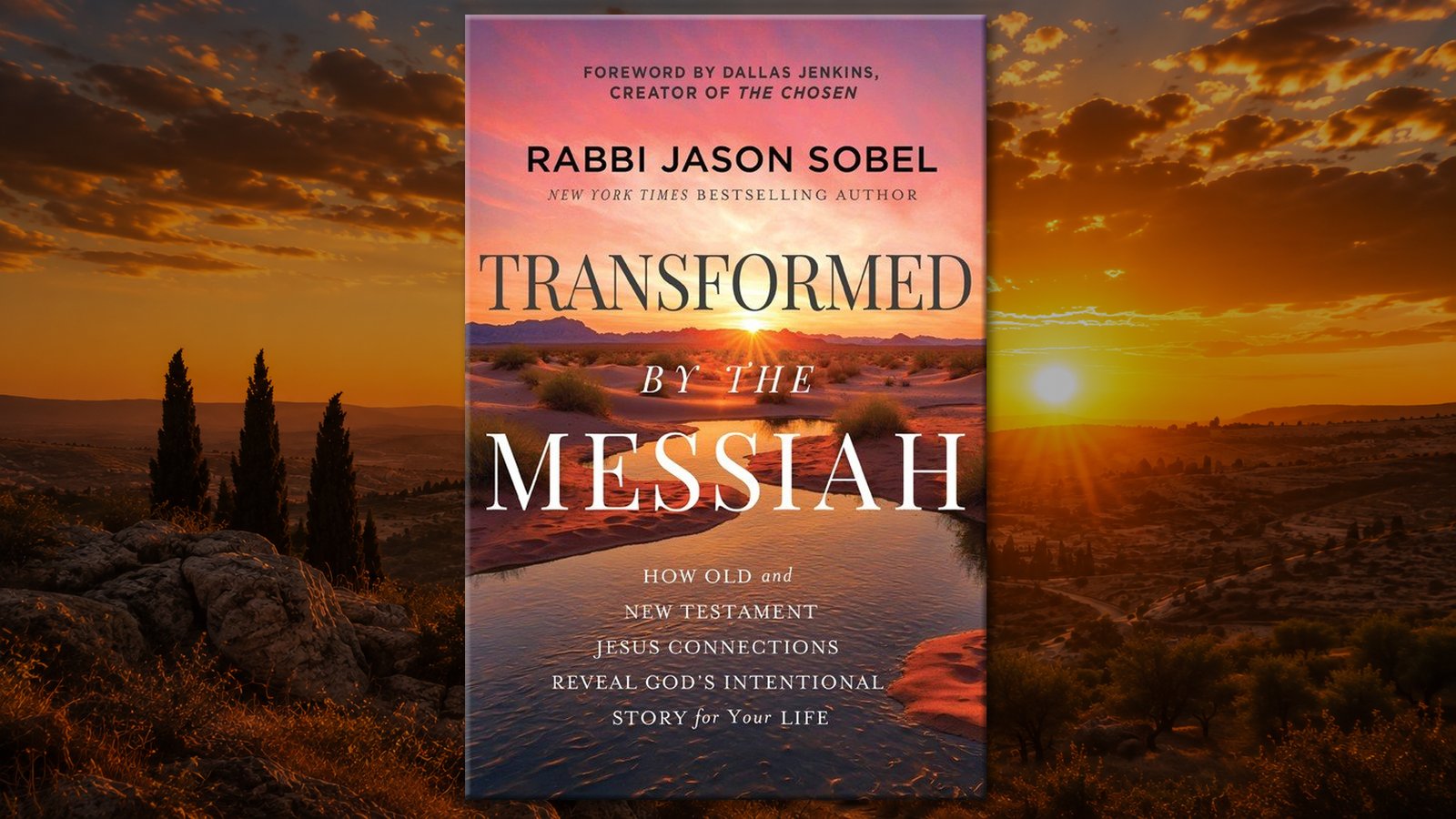
In his book Transformed by the Messiah, Rabbi Jason Sobel shares a powerful insight about forgiveness. Drawing from the writings of Messianic Rabbi Riss Resnick, Sobel explains that relationally, we cannot live without the bread of forgiveness. Whether we are the one who needs forgiveness or the one who must extend it, reconciliation remains essential to healthy spiritual life.
The reason is simple: if God kept a record of our wrongs, none of us could stand before Him.
Sobel emphasizes that unforgiveness blocks blessing and creates distance in our relationship with God. When we refuse to forgive, we are not merely holding onto pain, we are preventing God from fully accomplishing His work within us.
One of the most fascinating observations he shares involves Jesus’ instruction to forgive “seventy times seven” times (Matthew 18:22), which equals 490. According to Sobel, the number 490 corresponds to the Hebrew word tamim, meaning “complete,” “perfect,” or “finished.”
The implication is profound. Forgiveness is connected to spiritual completeness. A person who refuses to forgive will struggle to live a complete life because they have not fully embraced the finished work of Christ. Forgiveness matures the heart. It deepens our understanding of grace. It teaches us what it truly means to receive the mercy that God has freely given to us.
As 1 Kings 8:61 says:
“May your hearts be fully committed to the LORD our God, to live by his decrees and obey his commands.”
Forgiveness is one of the ways God perfects, matures, and completes our hearts.
Choosing Forgiveness Before the Feelings Arrive
One lesson I’ve learned through this season is that forgiveness is often a decision long before it becomes a feeling. Many Christians wait until their anger disappears before they forgive. Scripture teaches the opposite. We choose forgiveness because Christ forgave us. The emotions often follow later.
Some days, forgiveness looks like praying for someone when you don’t feel like it.
Some days, it means refusing to rehearse old wounds.
Some days, it means surrendering the same hurt to God for the hundredth time.
Forgiveness is rarely a one-time event. It is often a daily act of obedience.
Looking to the Cross
Ultimately, forgiveness makes the most sense when we stand at the foot of the cross. Jesus endured betrayal, false accusations, abandonment, injustice, humiliation, and suffering beyond anything we will ever experience.
Yet from the cross He prayed:
“Father, forgive them, for they know not what they do.” (Luke 23:34)
If anyone had the right to keep a record of wrongs, it was Jesus. Instead, He chose mercy, and because He has forgiven us, we can learn to forgive others.
Not perfectly.
Not instantly.
But faithfully.
Moving Forward
I won’t pretend forgiveness is easy right now. There are still wounds that ache. There are still losses that bring tears. There are still questions that remain unanswered. But I know this: If I continue carrying a ledger of every wrong, I will remain chained to the very pain I’m trying to escape.
Forgiveness does not change the past. It does not erase consequences. It does not guarantee reconciliation. But it does set the prisoner free. And often, the prisoner is us.
As difficult as this season has been, I am learning that forgiveness is not primarily about the person who hurt me. It is about my relationship with Christ. To move forward in my Christian walk, I must choose forgiveness. Not because the wounds weren’t real. Not because the losses don’t matter. But because Jesus has forgiven me, and I want my heart to be fully His.
Love keeps no record of wrongs, and by God’s grace, neither will I.







2 Responses
Forgiveness was a thing I pursued sincerely. There was so much hurt and deep wounds, that it seemed to be a process, that because I was hurting, I felt I had to forgive daily because of the anguish and anger that surfaced. But as I later learned, it was my heart that just needed healing. But later, many triggers caused the same ugly head of pain, anguish and anger…. Resulting in forgiving again…. Not I understand the 490!