
I’ve been in love three times in my life: once in high school, once in college, and later with my wife. Today I want to revisit that first love, the one that shattered me in high school. She did nothing dramatic or malicious; she didn’t cheat. I was a senior, she was a sophomore, and she chose the ordinary freedoms of high school over a tethered, long-distance future. Reasonable now, but then I felt utterly betrayed. For the first time I tasted real hurt. I lost weight, I cringed in hallways we once shared, and I even curated angry playlists. The pain hardened into a stubborn refusal to forgive.
In that season I clung to a couple of books by Charles Stanley, How to Handle Adversity and The Gift of Forgiveness, the latter of which I recently repurchased and reread. Stanley offers a practical, biblically rooted pathway through forgiveness: to forgive is to renounce both our resentment and any desire for retaliation. It means surrendering any claim to punishment, with no strings attached. Unforgiveness, by contrast, becomes an emotional prison, reliving offenses, nursing wounds, and longing for revenge until it consumes you.
I did eventually forgive that lost love and move forward. For years I believed I was adept at forgiveness, generous in giving it even when others didn’t deserve it. Then the past year, my life got flipped, turned upside down, not like the Fresh Prince upside down, more like the upside down treachery of Stranger Things. I can’t share all the specifics now, but I endured a betrayal so deep the only parallel that came to mind was Joseph’s story.
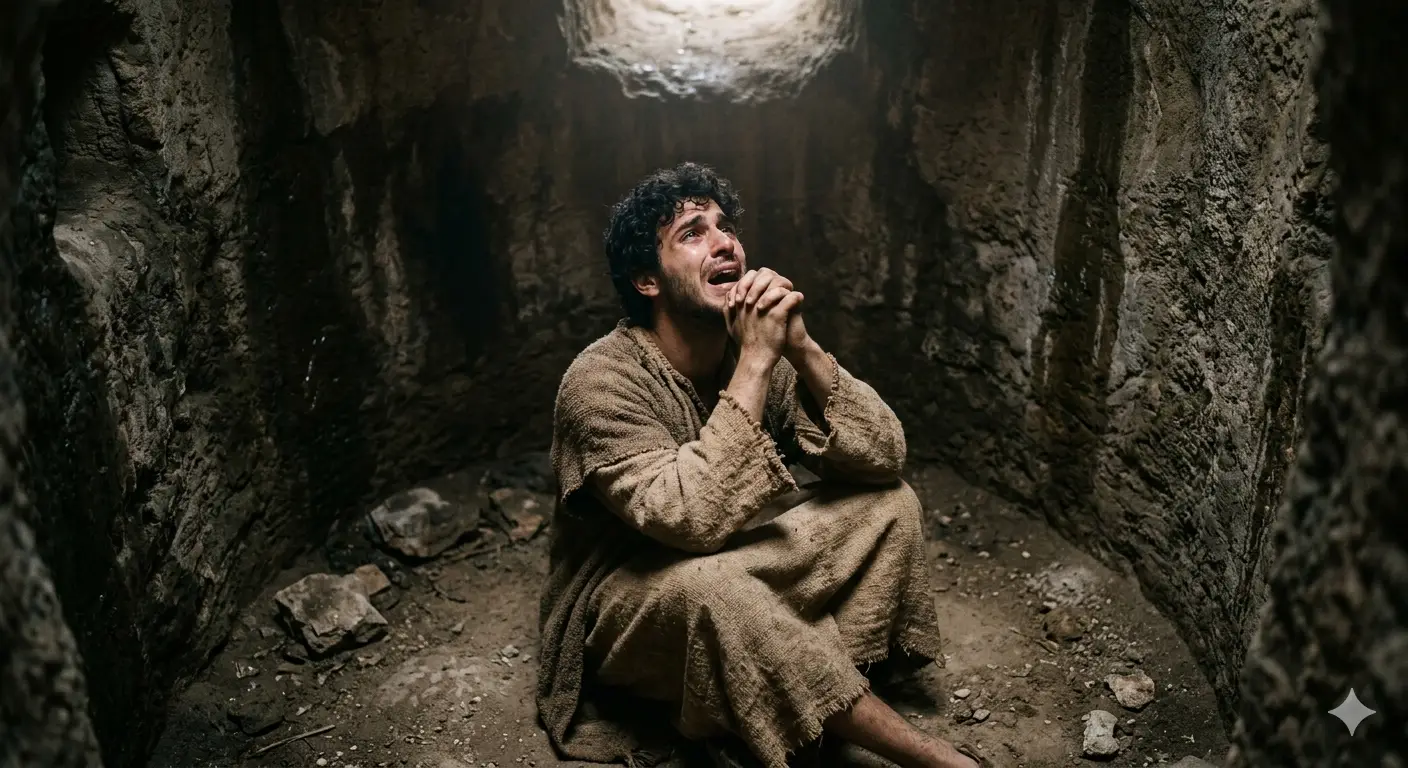
Joseph was betrayed by his own brothers, stripped of home and hope, thrown into a pit, sold into slavery, thrust into a foreign land, falsely accused, and abandoned in prison by those who’d promised otherwise. While I never faced a literal pit, I’ve been wandering for many months in a wilderness of displacement, new town, no job, no income, and the bleak isolation of unfamiliar territory. I was later caught in the machinery of a flawed justice system: negotiating to avoid jail only to become another casualty of broken promises.
If you know Joseph’s arc, you know the rest: eventual honor, restoration, and a remarkable act of forgiveness toward the very brothers who betrayed him. I’m not claiming my story will replay Joseph’s exactly, I don’t expect God to simply snap his fingers and make everything pristine. I can only admire what Joseph modeled: enduring faithfulness, eyes fixed on God through suffering, and finally, mercy in the face of betrayal.
Joseph’s life lingers in my mind because of how long the suffering lasted. He did not wake one morning healed; he lived through the pit, slavery, prison, and prolonged silence before redemption arrived. When he finally confronted those who had crushed him, he had every human justification to retaliate, but he chose mercy and reconciliation.
That is the part of the story I am praying toward, embodied in Genesis 50:20:
“As for you, you meant evil against me, but God meant it for good…”
I long to one day say that to those who have wounded me. Though the pain is real, God has been good: this season has drawn me nearer to Christ, strengthened me, and equipped me to serve others.
To refresh my understanding of forgiveness, I re-read Stanley and also picked up Lysa TerKeurst’s Forgiving What You Can’t Forget. I’m not finished, but it’s truly compelling. TerKeurst distinguishes forgiveness as both a decision and a process: the decision to forgive the facts can happen in a moment, but the emotional work unfolds over time. Hurt people hurt people; even those who wound us are in need of God’s grace, especially when they claim Christ.
The next best part of TerKeurst’s book that I have yet to dive into discuss the following:
- Forgiveness is more satisfying than revenge.
- Our God is not a do-nothing God.
- Your offender is also suffering from pain.
- The purpose of forgiveness is not always reconciliation.
- The enemy is the real villain.
When I finish the book, I’m sure to post more insights on my journey. As for now I’m mid-process. Some days I feel free, blessed, and convinced I’ve forgiven and moved on. Other days the scenarios replay and bitterness flares again. Chip Ingram says that you know you have truly forgiven someone when you can hear about their well-being or success and genuinely feel joy for that person, rather than bitterness. I haven’t made it there, quite yet, but hopefully soon. Forgiveness, it seems, is a daily discipline, hence the Bible’s frequent call to forgive. I wonder how many times God has forgiven me; surely millions.
What can we take from all this? Joseph’s story shows that betrayal can shape a life without destroying it. Stanley and TerKeurst teach that forgiveness is surrender, not denial; liberation, not erasure. Heartbreak may remain in memory, but it can be mourned honestly and released. Ultimately, the death, burial, and resurrection of Christ reveal that forgiveness is both eternal and only possible through Him.
Psalm 103:12,13 reminds us of God’s forgiveness:
“as far as the east is from the west, so far does he remove our transgressions from us.”







2 Responses
I read Charles Stanley’s book on forgiveness and it helped me more than any other book! I learned so much walking through my journey and I must say it took me a couple of years. Triggers will bring (sometimes surprisingly and unexpected) and the same emotions will rise to the surface to relive. We learn that satan does this and we recognize that we can rebuke and have a choice to “forgive” again, or “not go into unforgiveness).
I also heard Lisa’s testimony in April and Rebekah is reading her book and says it’s an amazing book!!
This is fantastic!! It took me years to forgive the abuse I received over many years but once I did such a weight was lifted off of me it was as if I’d been carrying s literal weight on my back for years. Occasionally I do get reminded of it all but I just lay it all onto the Lord and let him take it.