Rating: ★★★★½ (4.5/5)
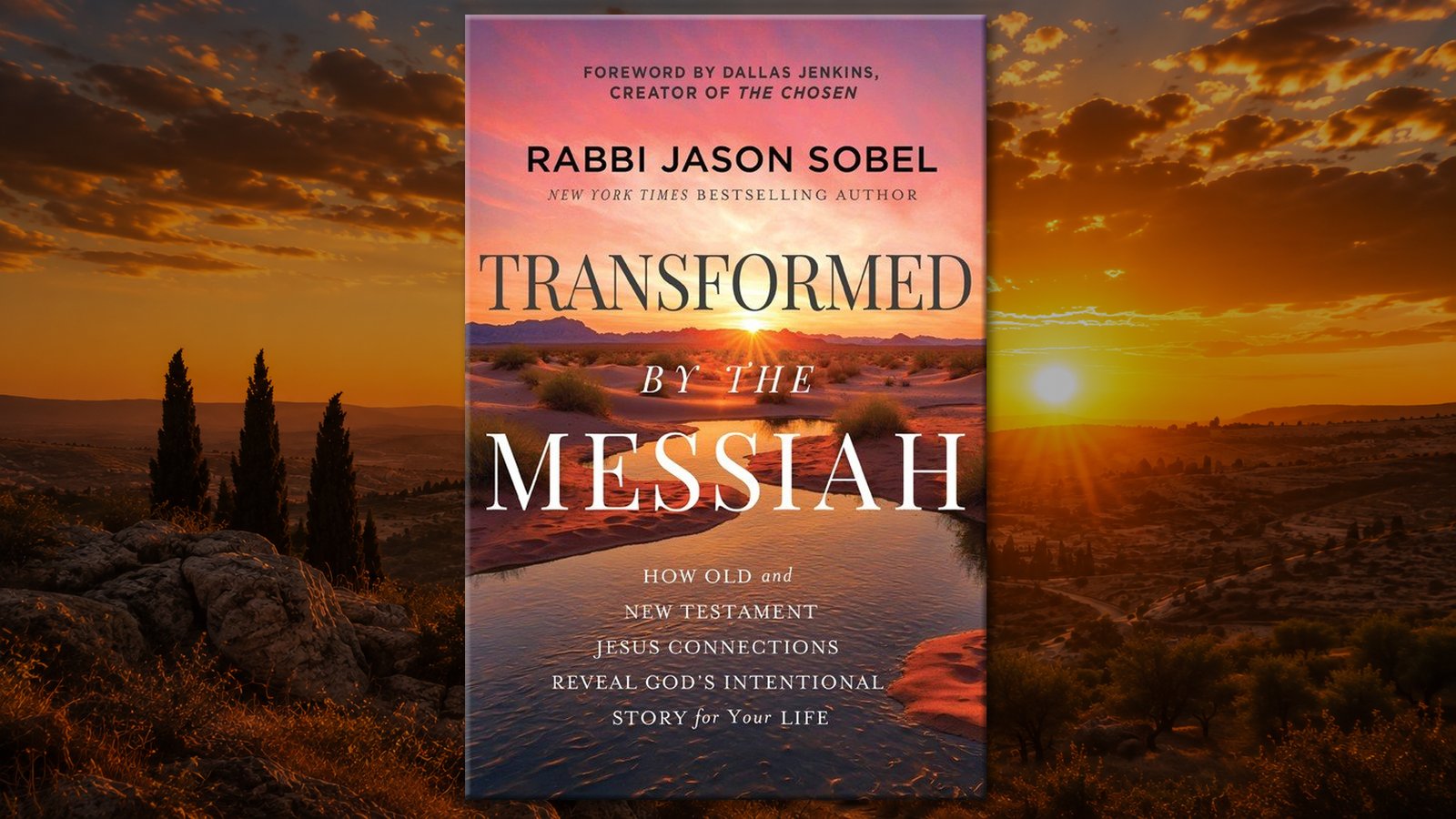
One of the greatest joys of studying Scripture is discovering that the Bible isn’t a collection of disconnected stories. From Genesis to Revelation, it is one unified story, and ultimately that story points us toward Jesus Christ. That is the central idea behind Rabbi Jason Sobel’s Transformed by the Messiah, a book that takes readers through the birth, ministry, death, and resurrection of Jesus while examining the cultural, historical, Jewish, and prophetic context surrounding those events.
I had the opportunity to read this book as part of a study with a great group of men from The Redeemed, and I think that made the experience even better. There’s something different about reading a Christian book by yourself compared with working through it alongside other believers. We were able to talk about what stood out to us, wrestle with some of the ideas Sobel presented, compare them with Scripture, and hear perspectives we might not have considered on our own. Proverbs 27:17 says, “Iron sharpens iron, and one man sharpens another.” That’s exactly what a good men’s Bible study should do.
The Redeemed has become a ministry I really appreciate, and I would encourage other men to check it out. Their mission is centered on creating a Christ-centered community where men can be honest about the things they’re facing while developing authentic relationships with other men. Their online small groups provide opportunities for conversation, encouragement, prayer, and spiritual growth. In a culture where men are often encouraged to keep everything bottled up and figure life out by themselves, Christian brotherhood matters. We weren’t created to follow Christ in isolation. If you’re a man looking for Christian fellowship and other men who will encourage and challenge you in your walk with Christ, I recommend taking a look at The Redeemed.
As for Transformed by the Messiah, one of the book’s greatest strengths is Sobel’s ability to make you slow down and notice details in Scripture that you may have read dozens of times without really considering. Why Bethlehem? Why the shepherds? What was significant about certain Jewish customs? How did the Old Testament prepare the way for what happened in the Gospels? Sobel approaches these questions from his perspective as a Messianic Jewish teacher and attempts to show how details throughout Scripture connect to God’s larger redemptive story.
That Jewish context is particularly valuable because I think many of us forget something incredibly obvious about Jesus: Jesus was Jewish. He lived in a Jewish culture, spoke to Jewish audiences, participated in Jewish customs, quoted the Hebrew Scriptures, attended Jewish festivals, and taught disciples who themselves were Jewish. Yet we often read the Bible through twenty-first-century Western eyes. Understanding the world in which Jesus actually lived doesn’t change Scripture; it can help us better understand what the original audience would have recognized immediately.
That’s also why I want to recommend another resource that pairs extremely well with this book: The Forgotten Jesus Podcast from Long Hollow Church. Pastor Robby Gallaty, Kandi Gallaty, and their cohosts spend a great deal of time exploring the Hebraic culture, customs, language, thought patterns, and historical context surrounding Jesus and the Bible. The podcast specifically describes its purpose as helping Christians explore aspects of Hebraic culture and customs that many believers may never have encountered.
I’ve found that understanding this background can completely change the way you read certain passages. Things that once seemed like insignificant details suddenly have meaning. Conversations between Jesus and the religious leaders become clearer. Parables take on additional context. Jewish festivals, geography, rabbinic teaching methods, Hebrew expressions, and Old Testament references begin connecting pieces that we often miss when reading the Bible solely through a modern Western perspective. If Transformed by the Messiah interests you, I think The Forgotten Jesus Podcast is a natural next step.
One thing I particularly appreciated about Sobel’s book is the reminder that Jesus didn’t simply appear unexpectedly in Matthew chapter one. God’s plan of redemption had been unfolding throughout the entire Old Testament. The promises, prophecies, sacrifices, feasts, covenants, kings, priests, prophets, and the entire story of Israel prepare us for the arrival of the Messiah. The Old Testament and New Testament aren’t two unrelated stories. They’re chapters in the same story.
That realization also makes passages like Luke 24 incredibly powerful. After His resurrection, Jesus meets two disciples on the road to Emmaus, and Scripture tells us, “And beginning with Moses and all the Prophets, he interpreted to them in all the Scriptures the things concerning himself” (Luke 24:27). Imagine that Bible study. Jesus Himself walked these men through the Hebrew Scriptures and showed them how the story had been pointing toward Him all along.
At the same time, I think readers should approach some portions of Transformed by the Messiah with discernment. Sobel occasionally ventures into symbolic interpretations, Hebrew word connections, and numerical patterns that I found interesting but wouldn’t necessarily consider definitive interpretations of Scripture. Some connections are extremely compelling; others are more speculative. That doesn’t mean they aren’t worth considering, but we should distinguish between what Scripture clearly teaches and an interpretation someone has drawn from it.
That’s true of every Christian author, pastor, podcast, or Bible teacher. Our ultimate authority isn’t Jason Sobel, Robby Gallaty, a pastor, a denomination, or our favorite Christian author. It’s the Word of God. Acts 17:11 praises the Bereans because they “received the word with all eagerness, examining the Scriptures daily to see if these things were so.” That’s a pretty good model for reading any Christian book. Read it. Think about it. Discuss it. Learn from it. But keep your Bible open.
Ultimately, what I appreciated most about Transformed by the Messiah wasn’t simply learning interesting facts about Jewish culture or discovering connections I hadn’t noticed before. The book made me want to dig deeper into Scripture. To me, that’s one of the best compliments you can give a Christian book. A good Christian book shouldn’t replace your Bible. It should make you want to open your Bible.
It also reminded me how intentional God has been throughout the story of redemption. From Genesis to Revelation, God wasn’t improvising. The coming of Christ wasn’t Plan B. The cross wasn’t an accident. The resurrection wasn’t an unexpected ending. God had been telling the story of redemption from the beginning, and Jesus Christ stands at the center of it.
As Paul writes in 2 Corinthians 1:20, “For all the promises of God find their Yes in him.”
I give Transformed by the Messiah 4.5 out of 5 stars. I highly recommend it for Christians interested in the Jewish roots of their faith, biblical prophecy, the historical context of Scripture, and the connections between the Old and New Testaments. Read it with an open Bible, bring some discernment to the more speculative interpretations, and, if possible, read it with other believers who can discuss it with you.
And for the men reading this, I’d especially encourage you to check out The Redeemed. Finding Christian brothers who are willing to study Scripture together, pray together, challenge one another, and walk through real life together is something I have come to value greatly. And if the Jewish and historical background in this book leaves you wanting to learn more, give The Forgotten Jesus Podcast a listen as well.
Books like Transformed by the Messiah can give us a better understanding of the world of Jesus. But the ultimate goal isn’t simply to know more about Jesus. It’s to know Jesus more deeply, and if a book leaves me wanting to do that, I’d say it was well worth reading.
Keep exploring: Browse more Christian books and faith resources, or read our review of Dark Clouds, Deep Mercy.
Keep Reading
Explore more articles about trusted Christian books and resources
A question to consider: What connection between the Old and New Testaments has helped you see Jesus or Scripture more clearly?